March Madness

The strange winter continues here in Minnesota…

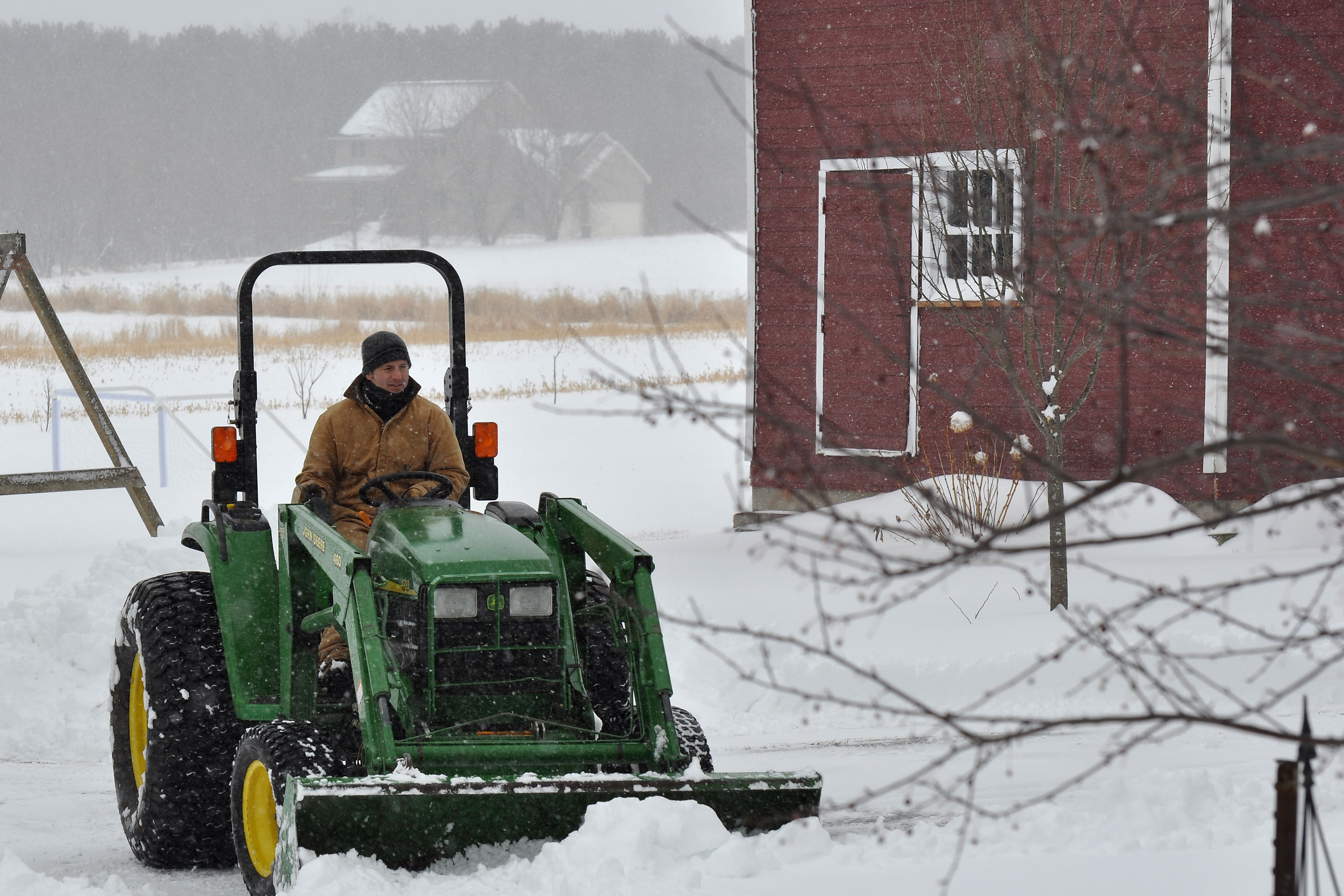
On February 29th, only two and a half weeks ago, this is what it looked like outside our window.
Image

The snow started during the night and by morning, we had almost a foot of heavy, wet snow.  School was cancelled and we were officially all “snowed in.”  It was the first snow day of the school year and nobody was complaining around here about staying home.

March rolled in the next day and as quick as it had arrived, all that snow started to melt away.  The temperatures soared and before too long, there was no trace of snow left.

When the temperatures started hitting the upper 60’s and 70’s several days in a row, we started to notice some interesting things happening around the farm.

We checked the bee hives and were happy to see that they are definitely still alive.   This good news means that we have successfully wintered our bees for the first time!  (Most likely due to the warm winter temperatures we have had, rather than our beekeeping skills).
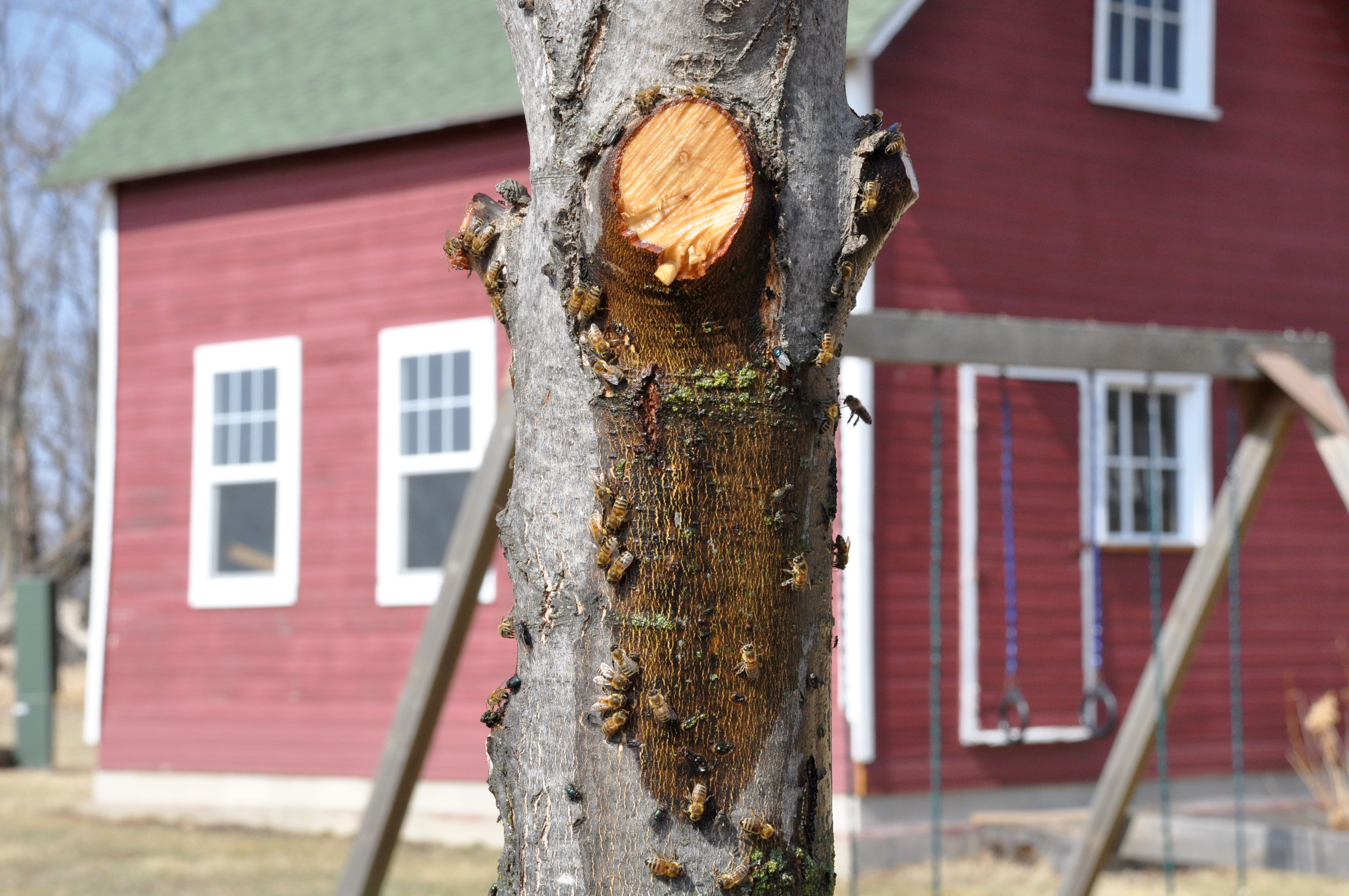
We also noticed the bees were out foraging.  They seemed to like the sap leaking out of the maple trees that we pruned in late February.
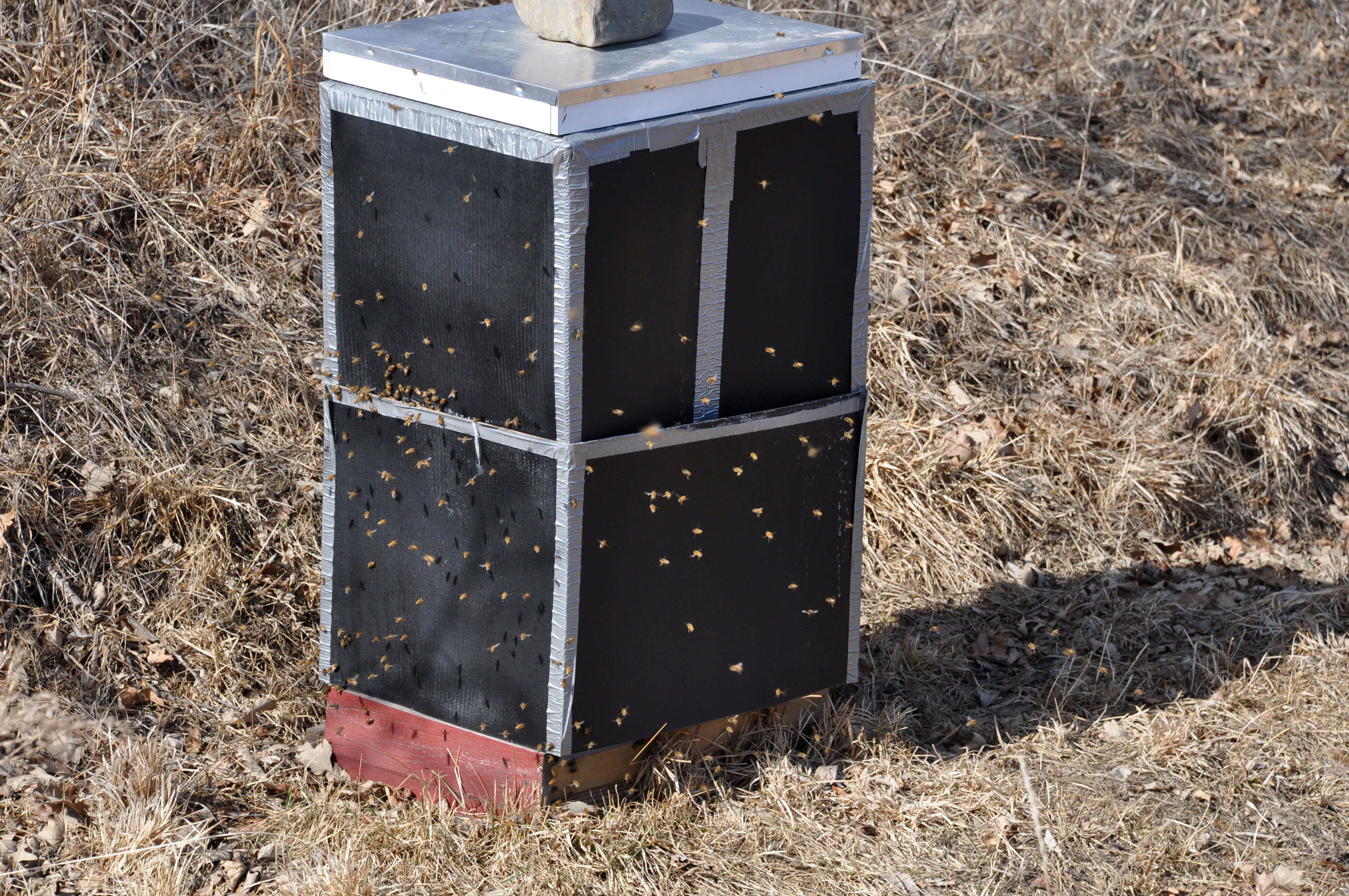
Since they are active so early this year and there is little food supply available yet, Jesse decided to start feeding them some sugar syrup to get them through the next month or so.  He also took off the black winter hive covers because of the warm temperatures – we don’t want them to cook in there!  The hives both seem really strong, so we are excited to see how this season turns out.

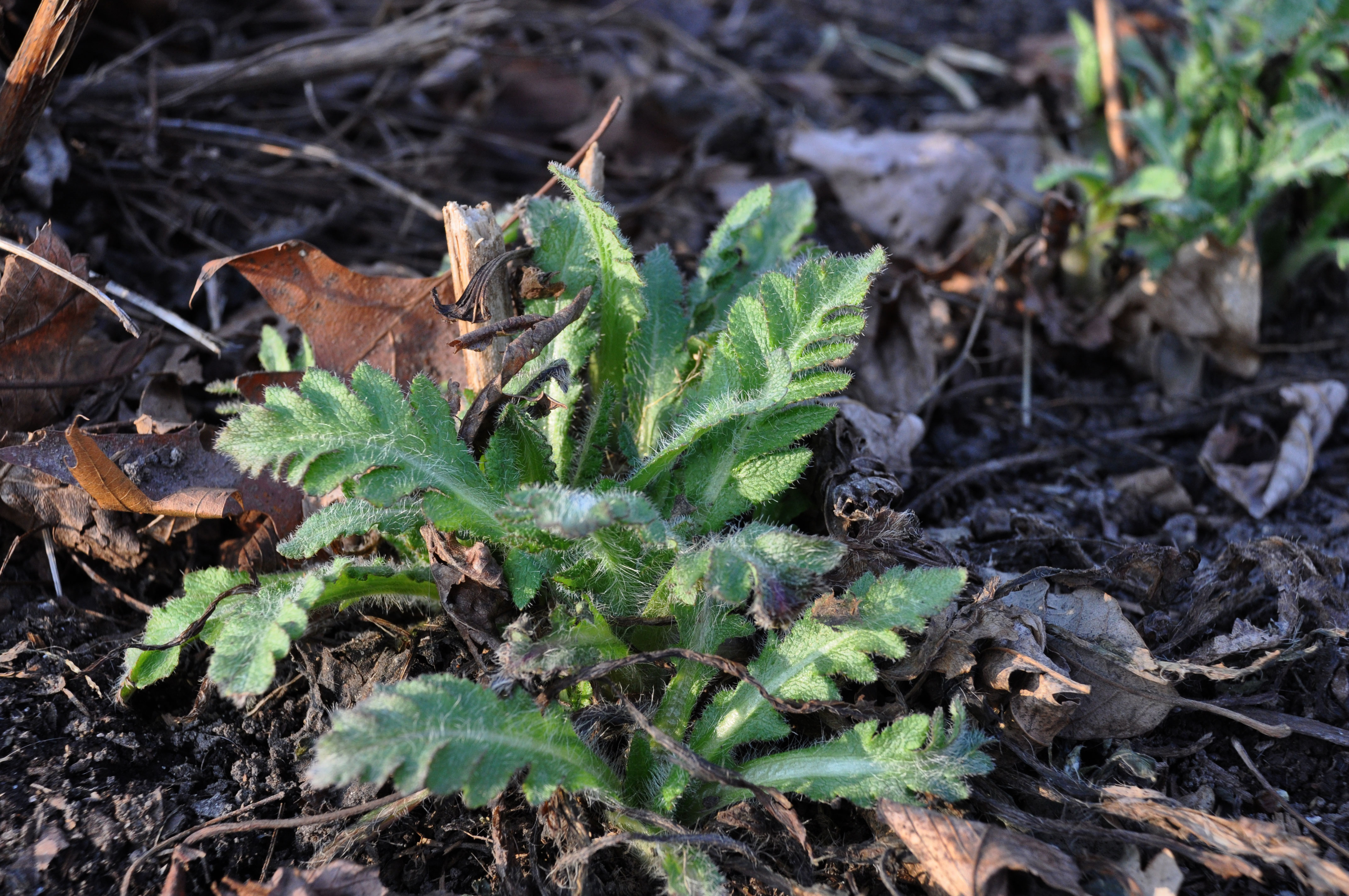
After a week of continuous March temperatures near or over 70F, we also noticed that my gardens are starting to wake up and spring to life.  These poppies were hiding under the leaf mulch.
My tulips have also decided it is time to make an early appearance.

With our warm weekend temperatures (more 70’s), we spent most of our time outdoors and in the gardens.  Although we realize it is very early in the season by Minnesota standards, we started the process of cleaning up the raspberry patch anyways.

After digging up all the rogue plants to reduce the rows back down to about 12″ wide, we cut our all the old canes and re-strung the wire that holds the plants upright.

We then trimmed all the remaining canes to about chest height, applied a 10-10-10 fertilizer, and lightly tilled along the sides of the rows.  When we get around to it (hopefully within a week or two), we will put down a chopped straw mulch to try controlling weeds.
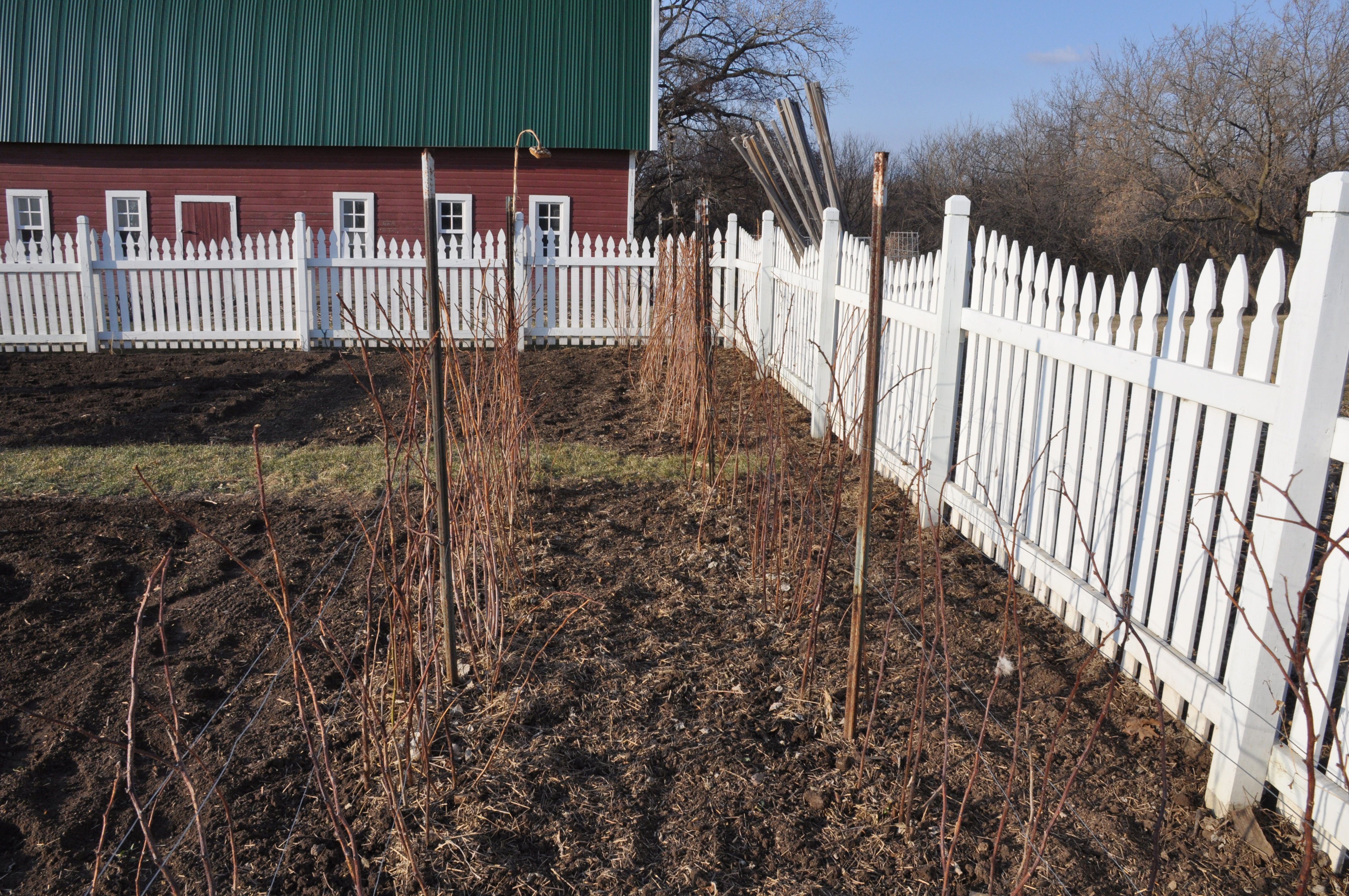
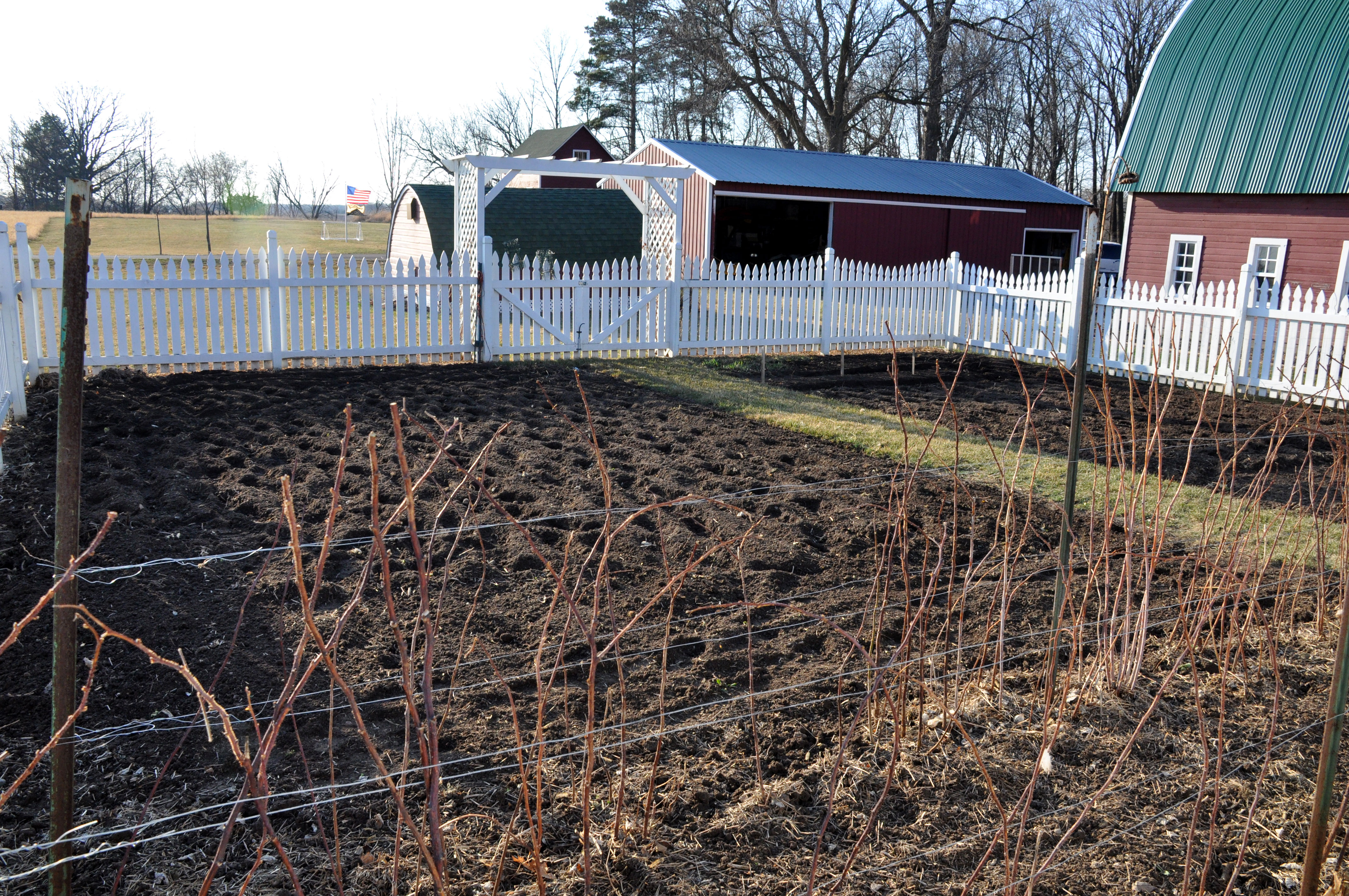
Since the frost was already out and the soil was so dry (we have had very little snow this winter), Jesse went ahead and tilled the whole garden up.  We like to work it up several times in the spring if possible, before we do the bulk of our planting.
And finally, the last crazy thing we did on this 18th day of March here in Minnesota, was to plant some lettuce (mild mesculun mix) and spinach.  These crops can handle some colder temperatures, so even though I know better, I am taking a risk and giving it a try.
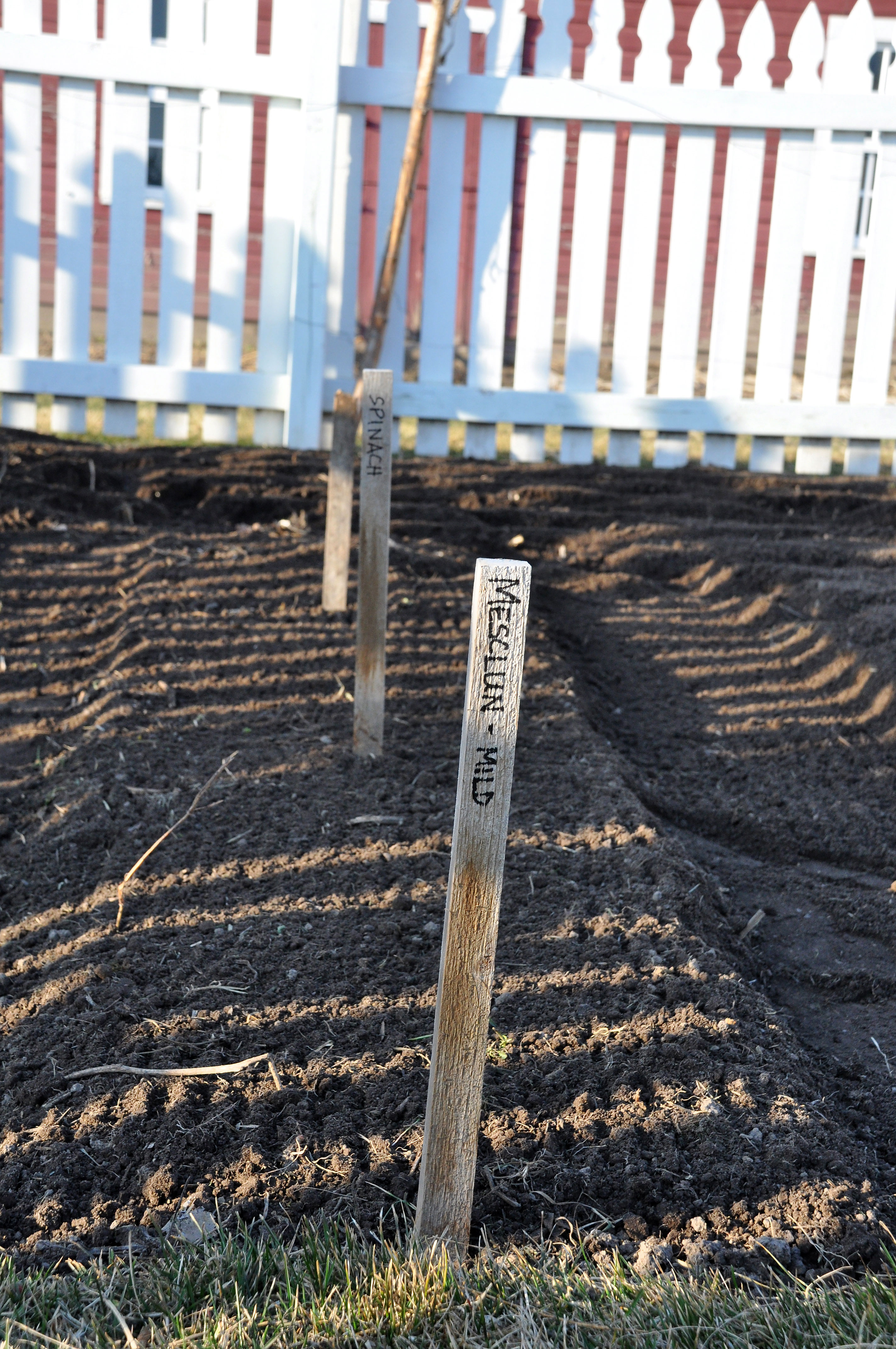
(Last spring, my first planting of lettuce was on May 7th, after a very cold and wet spring.)

So, the madness of this Minnesota winter continues into March.  I’m hoping we have seen the last of snow, but after living here my entire life, I know that just about anything can happen yet this spring.

But whatever happens, I’ll be ready.  I couldn’t be happier to be back out in the gardens.

Hope you are enjoying some March madness wherever you are too!

Lynell

1 Comment

Filed under Bees, Flower, Gardens, Vegetable

A Winter Walk

Over winter break, I took my camera along on a walk we took down behind our house.  We own some acreage down in the river bottom that we rarely have the opportunity to explore.  In the spring, the river is usually flooded for several weeks, or even months, and the land is inaccessible.  Once the temperatures warm up, the mosquitoes hatch and it becomes unbearable to venture down there.  If we have a dry fall, we usually enjoy some walks before hunting season begins.  Once the snow falls – at least during a normal winter – it once again becomes difficult to enjoy a walk because of the deep snow.

We are not having a “normal” winter though, so the land is still accessible and we are trying to take advantage of it.

Despite the flood waters that come every spring, we have some enormous old trees among all the smaller saplings and brush.  This one looks like it may not be standing too much longer.

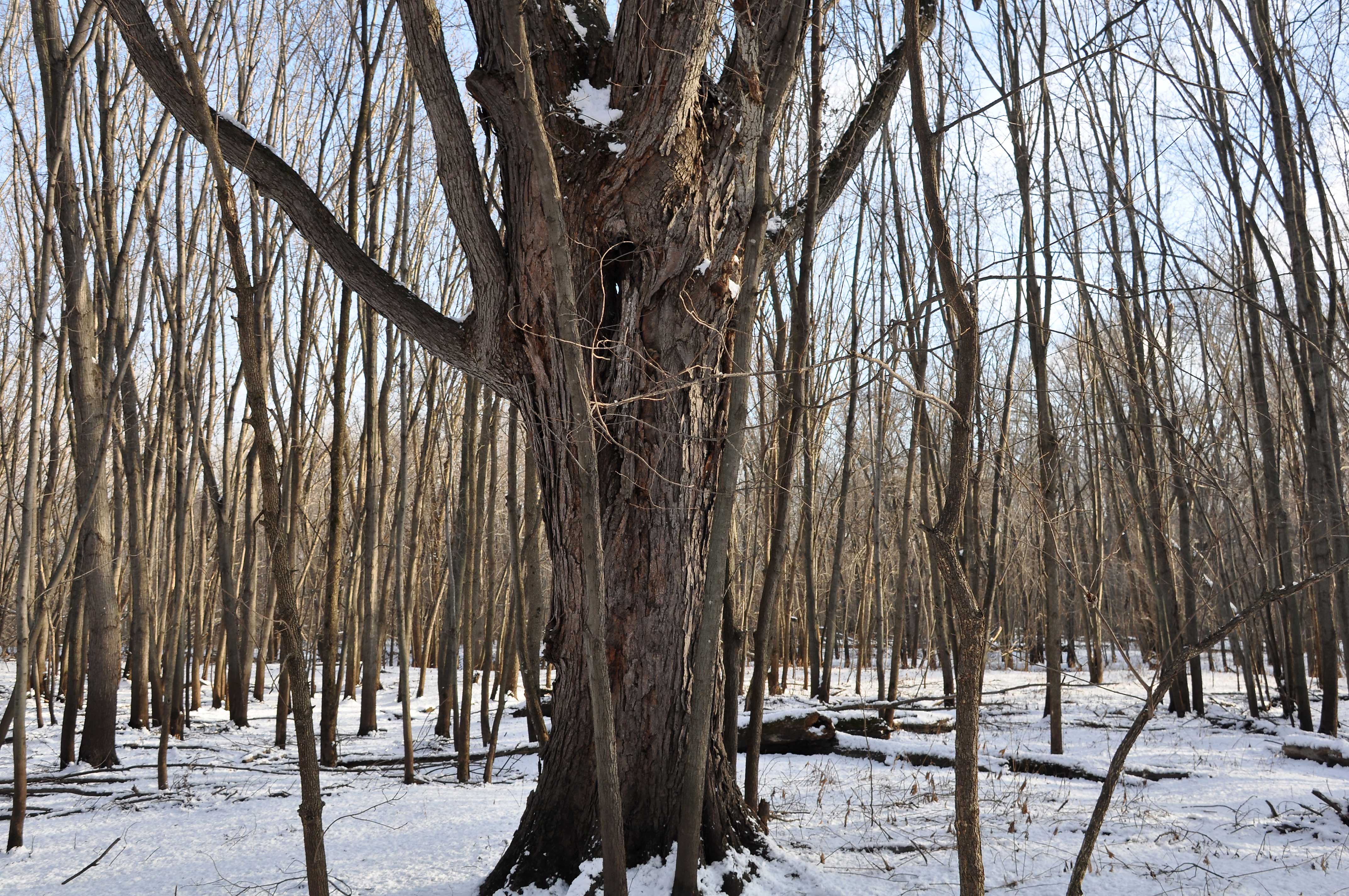
We came across the monster tree below, as well.  I cannot imagine how many years it has stood there, and all the spring floods it has seen come and go.

Taking a closer look, you can see a small area of daylight through the trunk of this tree.  I wonder how long it will take for the critters and the weather to chisel away at the heart of the tree until it finally succumbs to gravity.

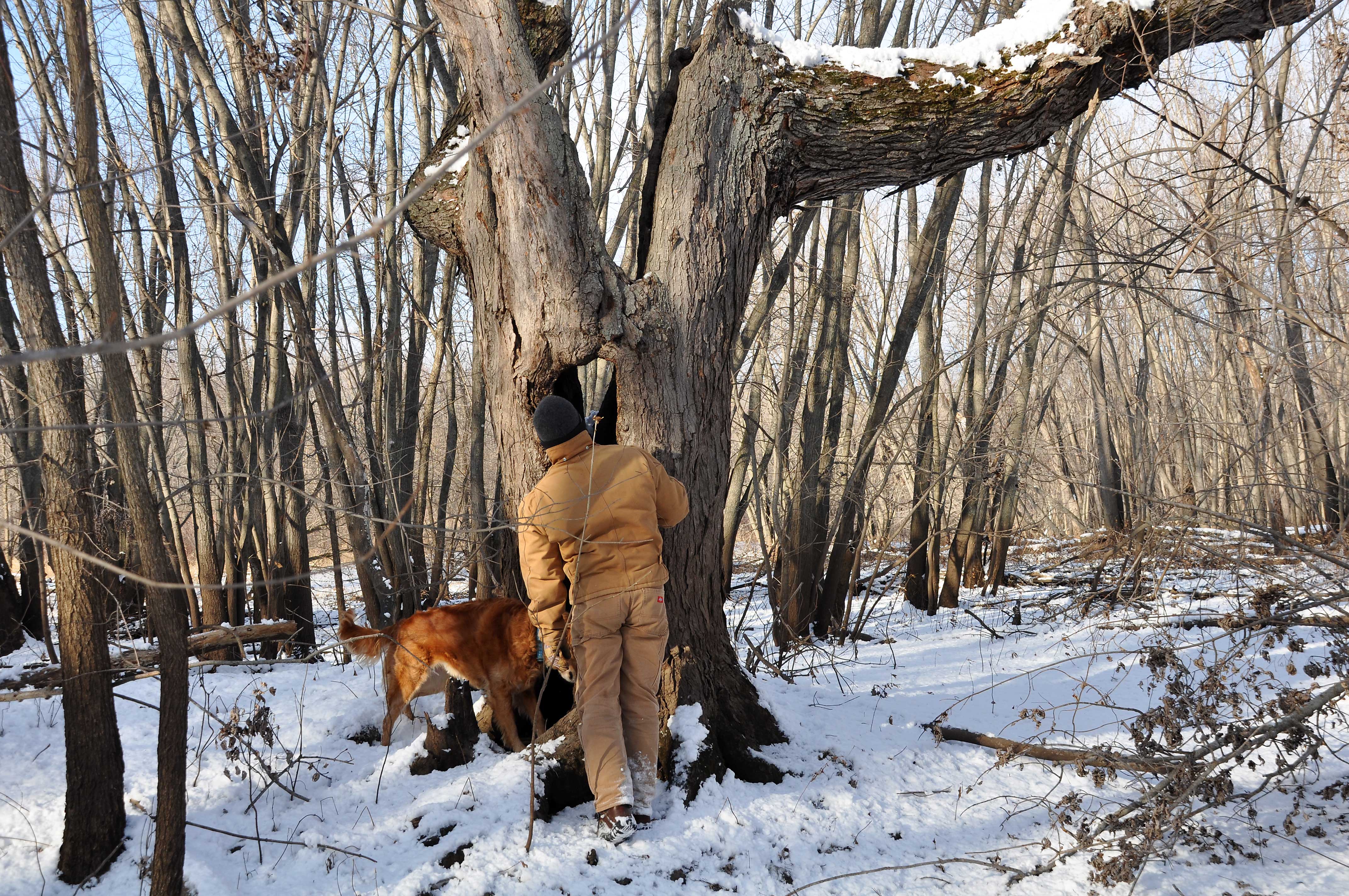
Sofie, our Golden Retriever, is always beyond excited when we head towards the river bottom.  There are so many things to explore.  She was particularly excited about this hollowed out log.  Fearful of the possibility that a skunk could be residing within, we quickly encouraged her to move along.

Our goofy cat, Nina, also followed us on our walk.  She seemed annoyed the entire time and was meowing loudly as she trotted behind us.  She eventually gave up on us and turned around.  We met up with her again when we reached the house porch.

The warm temperatures of December have left the river open in most areas.  The open water certainly must make life easier for the wildlife that roams the river bottom.

Since we took this walk a few weeks ago, all the snow has melted.  We need to get back down there soon to enjoy the peace and tranquility while we can.

Lynell

1 Comment

Filed under Daily life

Free-Ranging in January?

It has been a strange winter in Minnesota.  We have had a few coatings of snow here and there, but nothing has stuck around for an extended amount of time.  Even more unusual is the record-setting high temperatures we have had lately.  On the way home from work today, on the 10th of January, my car thermometer registered an outside temperature of 52F!

Normally, at this time of year we are putting a lot of effort into keeping our chickens warm.  With our average January temperatures usually in the teens, it can be a real challenge.  Not this year – not so far.

This year the chickens are having a really great winter.  They typically will not set foot outside the coop once there is snow on the ground.

In the bright sunshine and fifty degree temperatures today however, they enjoyed several hours of free-ranging around the farm.

They cover a lot of ground scratching, pecking, eating, or whatever they are doing, as they wander around the yard, into the woods, and through the gardens.

After the new hens from this spring started laying egg in the fall, we culled the old laying hens.  Down to just ten hens, we gave two away to Jesse’s brother, and then lost one to some sort of predator.  So, we now have only seven laying hens.

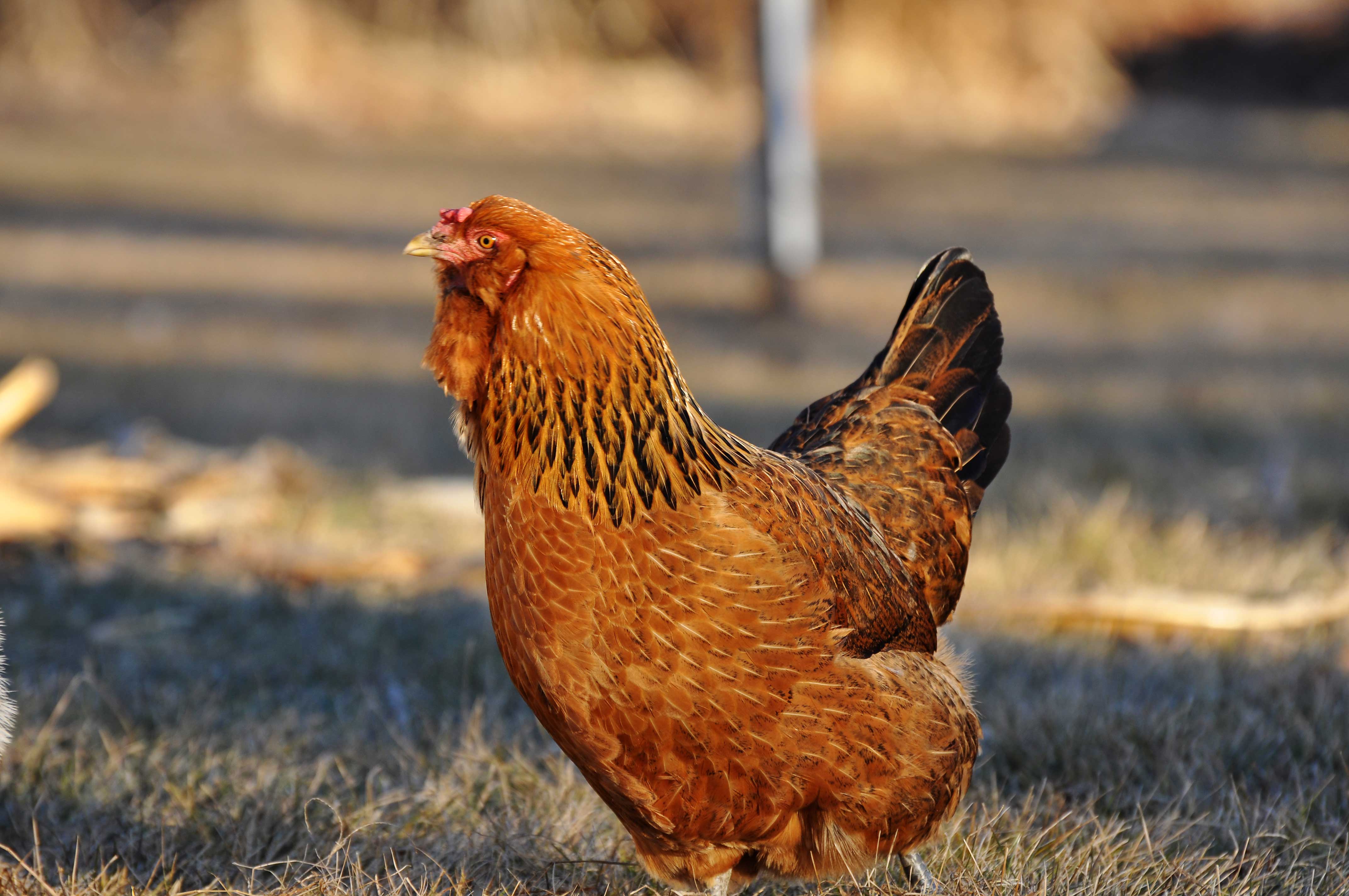
They are really dazzling and healthy looking birds.  All of them are prolific layers.  With our oldest away at school (he ate a lot of eggs), we can’t keep up with eating all of their eggs and we so we try to give some away when we can.

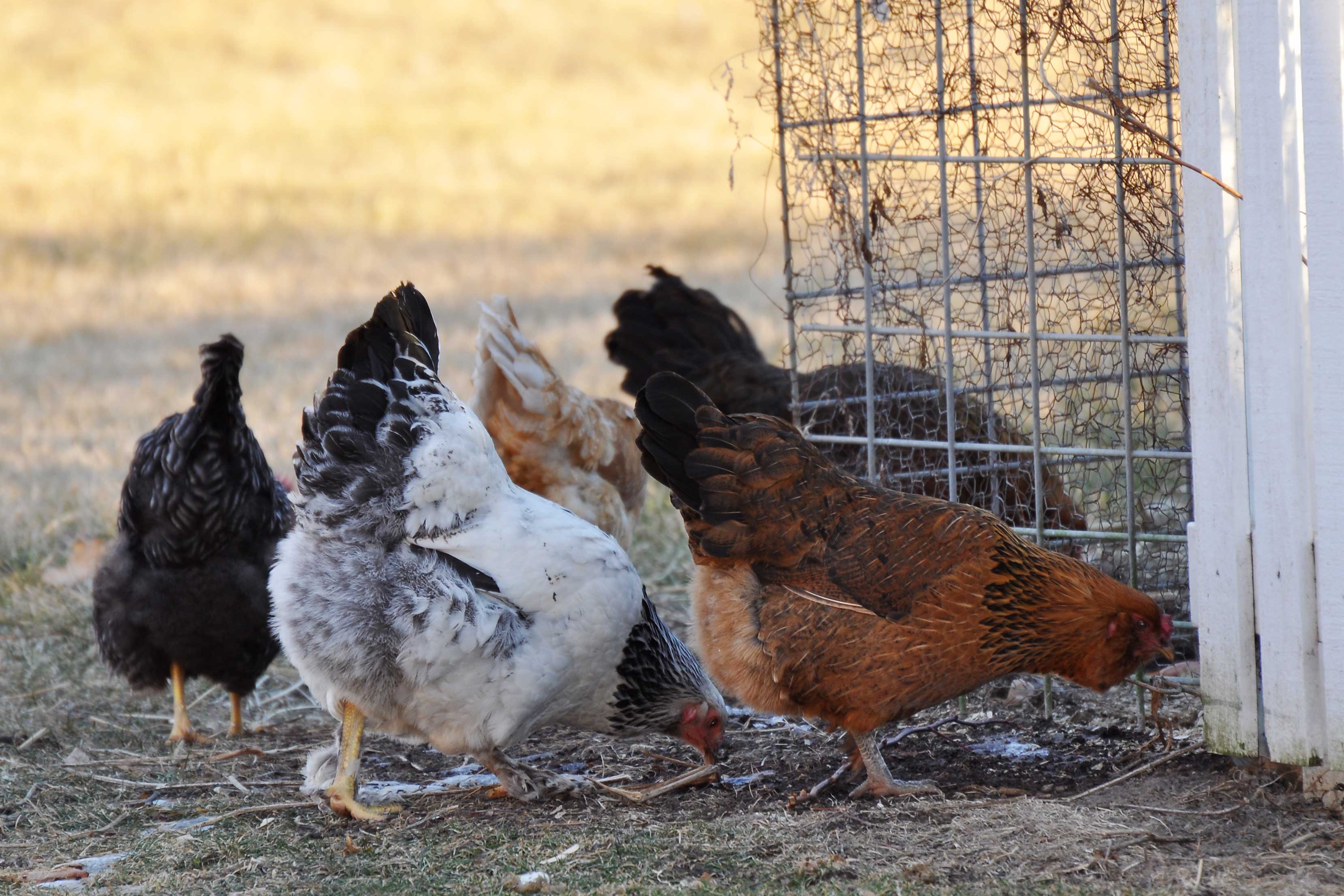
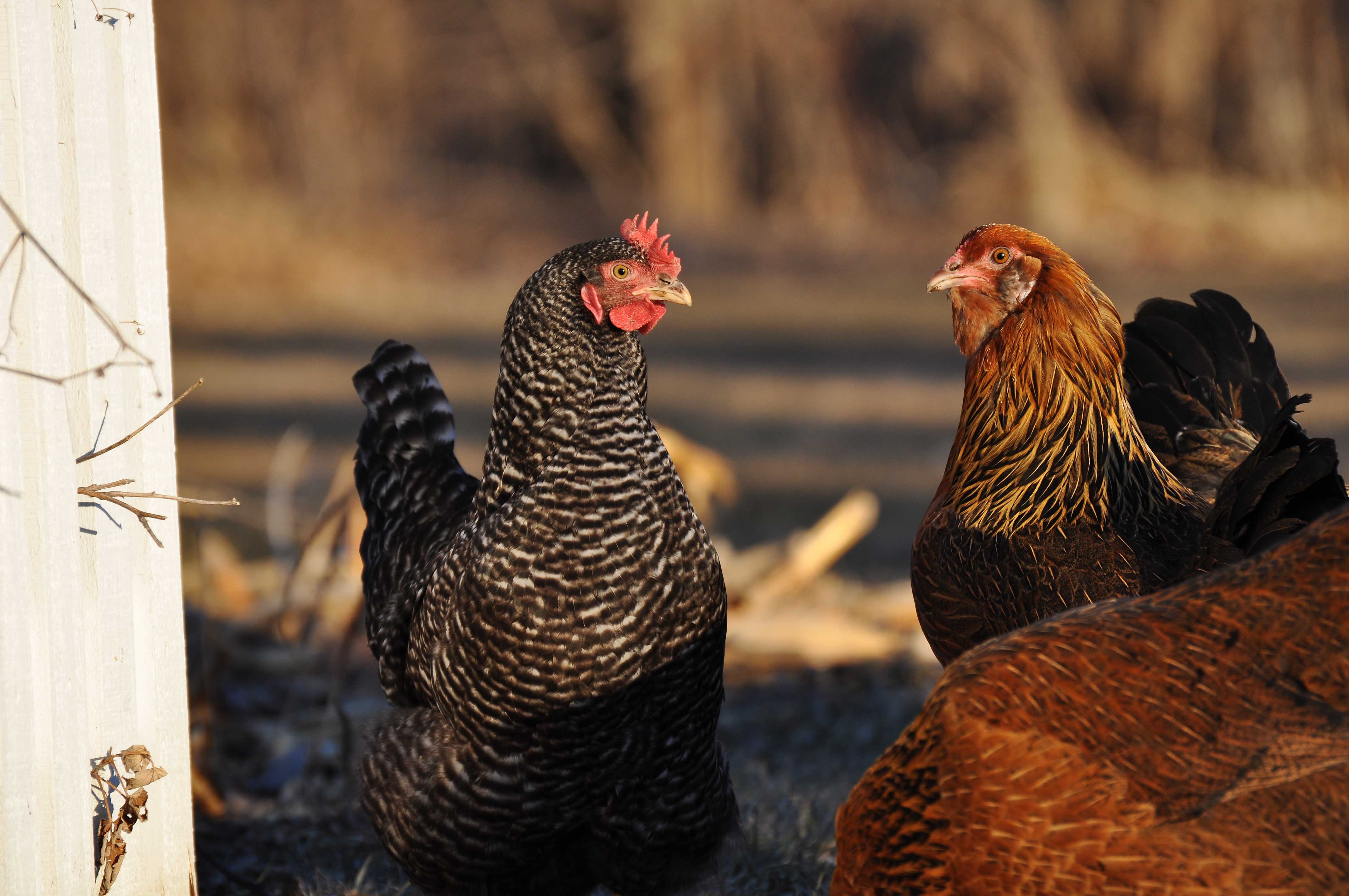
The black speckled hen on the left below is a Barred Rock and she lays brown eggs.

This gal is one of our three Araucana hens.  I always try to make sure we have at least one Araucana because I love the spectacular light blue and green eggs that they lay.

The white hen is a Light Brahma.  The feathered feet on this breed are so cute.  And even better, they are very reliable brown egg layers throughout the winter.

We ordered this assortment of laying hens last spring from Murray McMurray Hatchery, like we always do.  We have never been disappointed by the chicks we receive from them.  Our plan is to order more chicks for this spring – a few more laying hens and some meat birds.

It sounds as though our warm weather might end in the next few days.  Snow is predicted to fall as early as tomorrow and the chickens will inevitably choose to stay in the confines of their coop until the ground is bare once again.  Based on our winter so far, I am hoping they won’t have to wait until spring.

Lynell
1 Comment

Filed under Chickens

Making Beeswax Candles

We have now enjoyed three seasons of beekeeping.  Each year brings new challenges, successes and failures.  It is a constant learning process, which is part of the fascination of beekeeping.  Just when we think we have it figured out, something unexpected happens.  The whole endeavor is a good reminder that, like so many things, no matter how hard we try, we are not in control of the outcome.

Besides the honey that we enjoy all year long, another byproduct of beekeeping is the wax that you collect from uncapping the frames to harvest the honey.  The first two years there was just not enough to do anything with, but we decided after this season that we finally had enough to attempt making candles.

Our storage method for the wax has not been anything elaborate.  After letting the cappings drain for several days to remove as much of the honey as possible, we just placed the cappings in a plastic grocery bag and put it in the pantry.  Each year we just added to the grocery bag.  Here is what our collection of cappings looked like when we started the candle-making process.

The cappings are by no means pure wax.  Mixed in with the wax are plant particles, bee parts, etc.  The challenge is to clean the wax and get it ready for making some lovely beeswax candles.

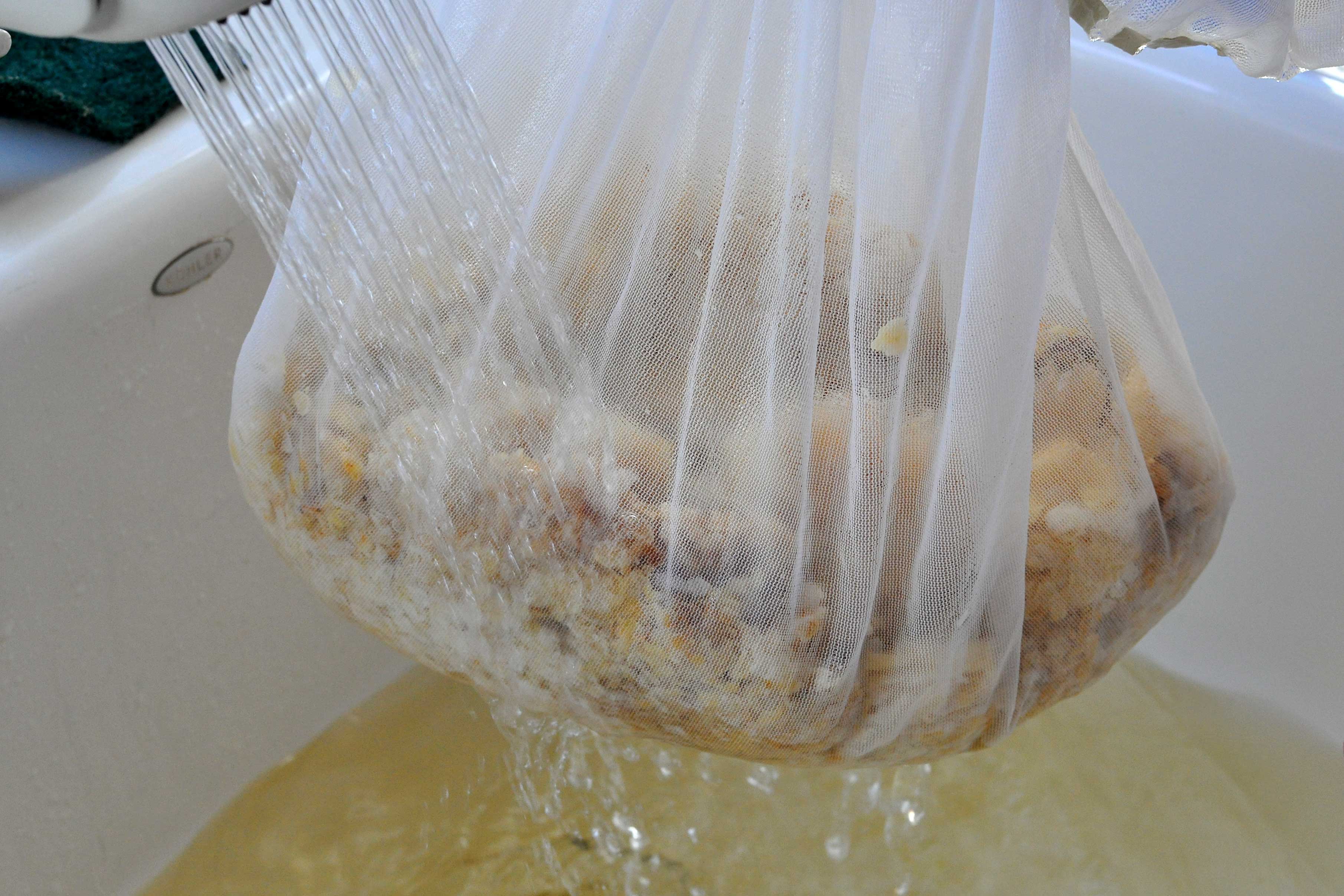
The first thing we did to prepare the wax was to rinse it under hot water.  We placed the cappings in the nylon mesh bag that we use for draining the honey out of the cappings after harvesting.  The purpose of the rinsing is to try to remove any remaining honey.  Based on the color of the water, it appears that some honey was rinsed away.

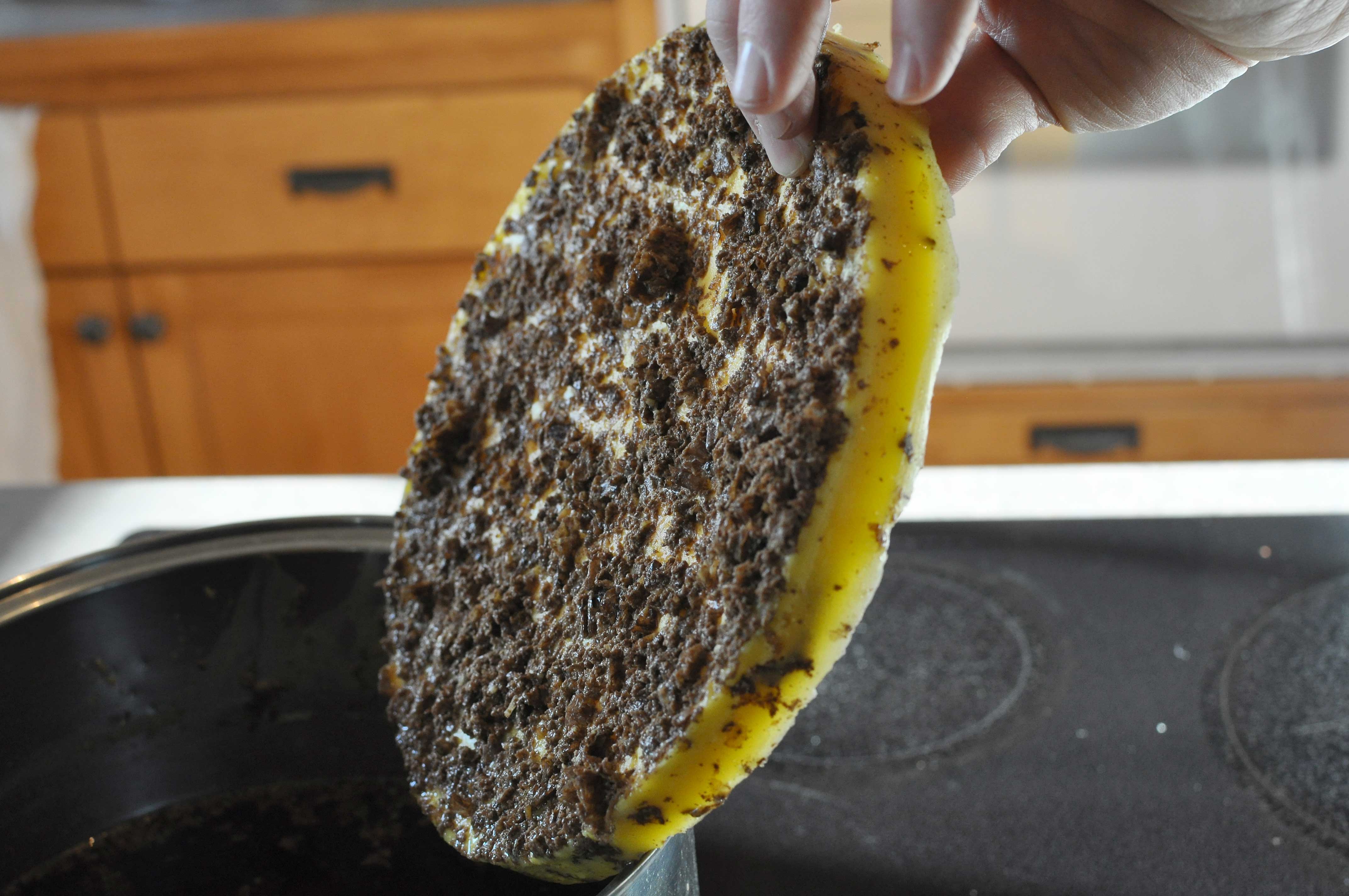
After much on-line research, we concluded that the next step was to melt the cappings in a pan filled with some hot water.  Once the cappings were melted, we removed the pan from the heat and let it cool.  The wax rises to the top to harden and most of the miscellaneous particles either settle on the bottom of the pan, or float at the top of the water and then stick to the bottom of the wax.  Using a knife, we scraped away the bottom layer of the wax.

Because the wax still appeared “dirty”, we repeated this process in the hot water two more times.  By the third time, it was finally looking fairly clean after it cooled, with just a few remaining particles present.  We then used a double-boiler to melt the wax.  Beeswax is flammable, so it is safest to use indirect heat for melting.  (And make sure to use an old pan and utensils, because the wax is impossible to remove once you are finished with the project!).

To remove the remaining bits in the melted wax, we took an old nylon and stretched it over a plastic bowl to use as a filter and it worked fabulous!

We had previously ordered candle-making supplies from Mann Lake, Ltd., our favorite beekeeping supply company.  We ordered a votive candle mold, wicking supplies, and small metal discs to put on the bottom of the candles.

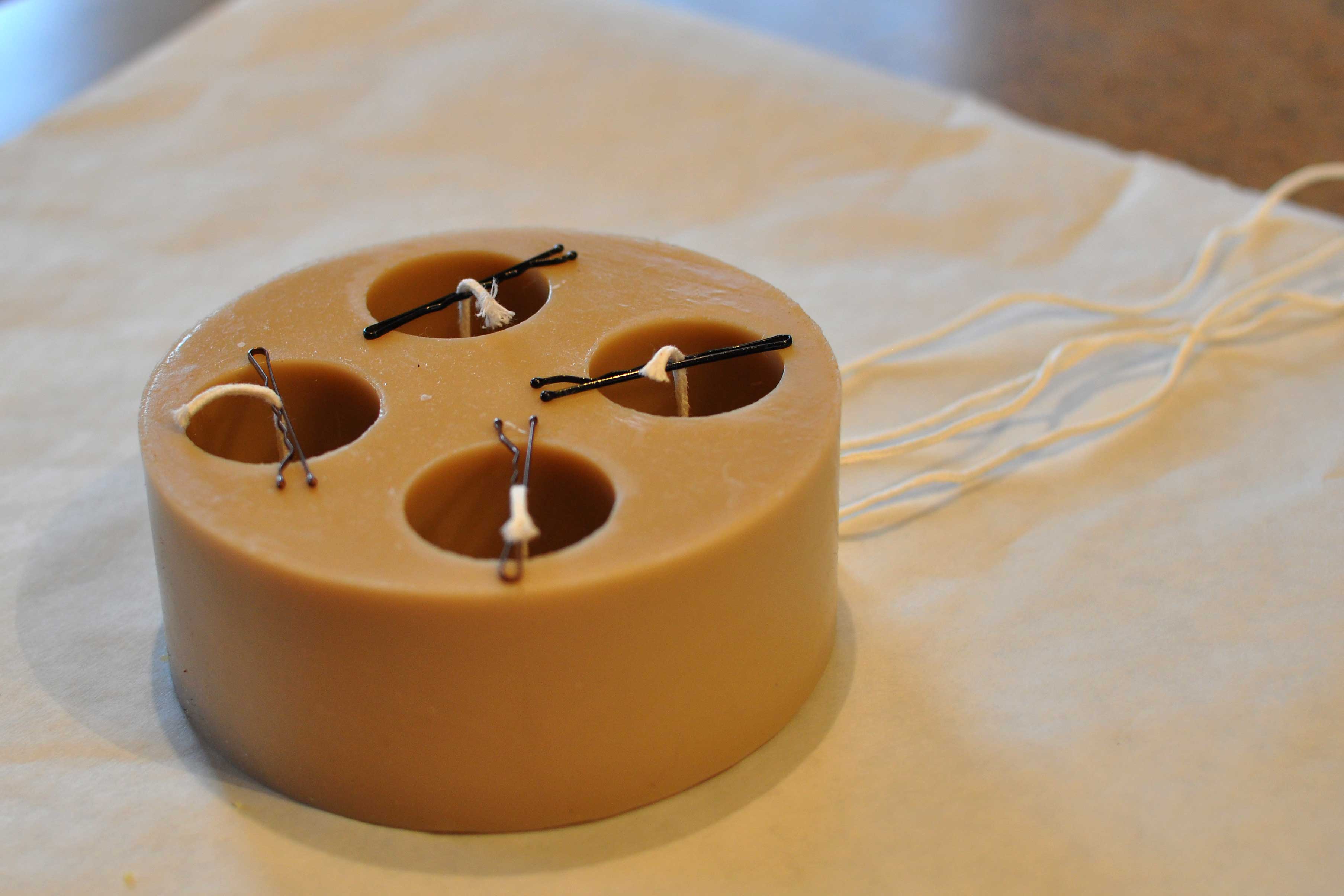
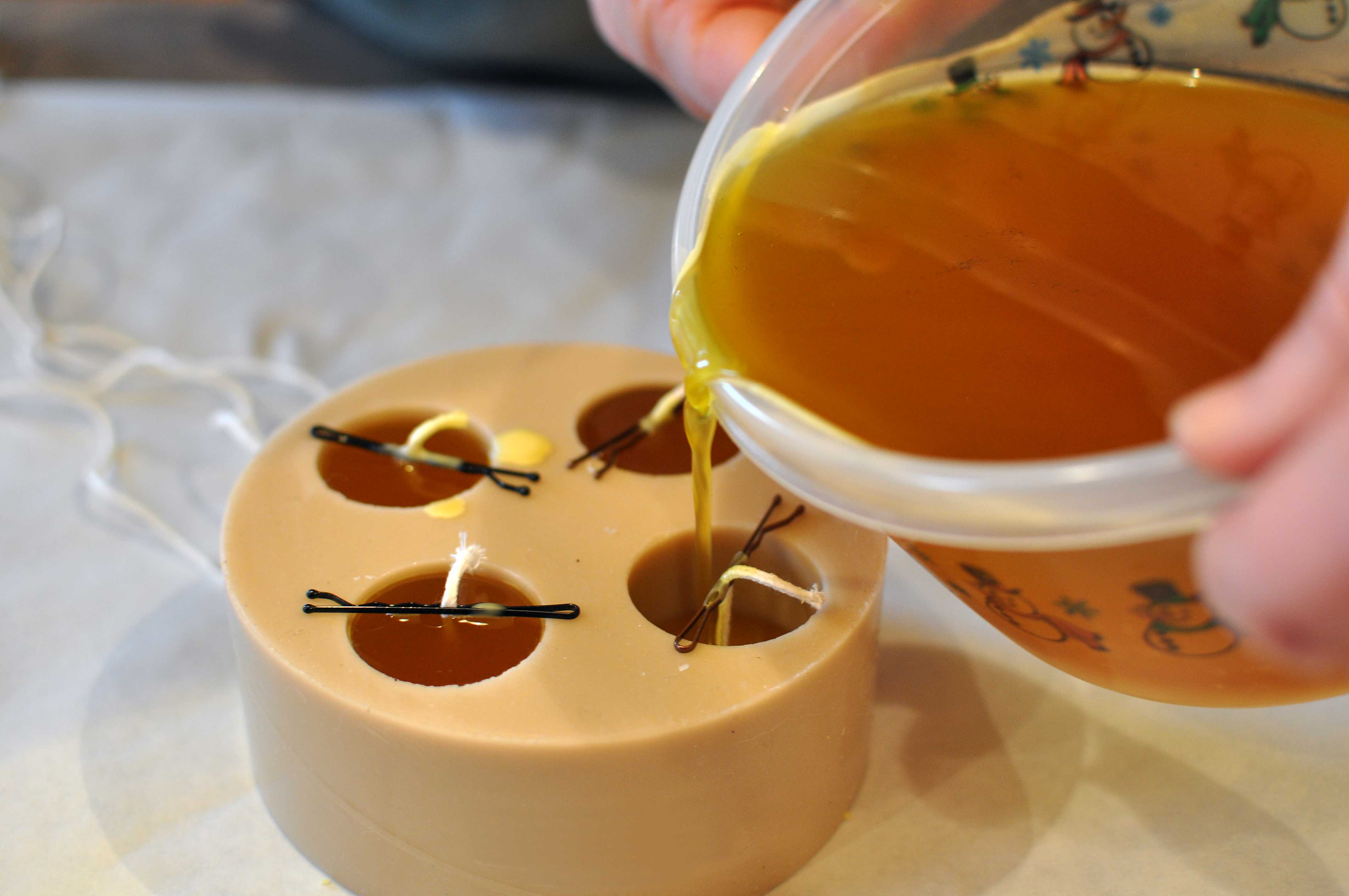
To prepare the mold for the wax, we threaded the wick up through the bottom of each mold and held it centered with a bobby-pin.

It was a little tricky pouring the hot wax into the molds.  I think we will look for some type of container with a spout next year to help with the precision when we are pouring.

We were surprised at how quickly the wax cooled and hardened in the molds – they were usually ready in about 30 minutes.  In the meantime, we just left the hot wax in the double-boiler on the stove turned on very low, just enough to keep it liquid.

To remove the candles from the mold only required a little twist of the mold and pulling it out by the wick.  We then just clipped the wick with a scissors and put the bobby-pin back to hold the wick centered for the next pour.

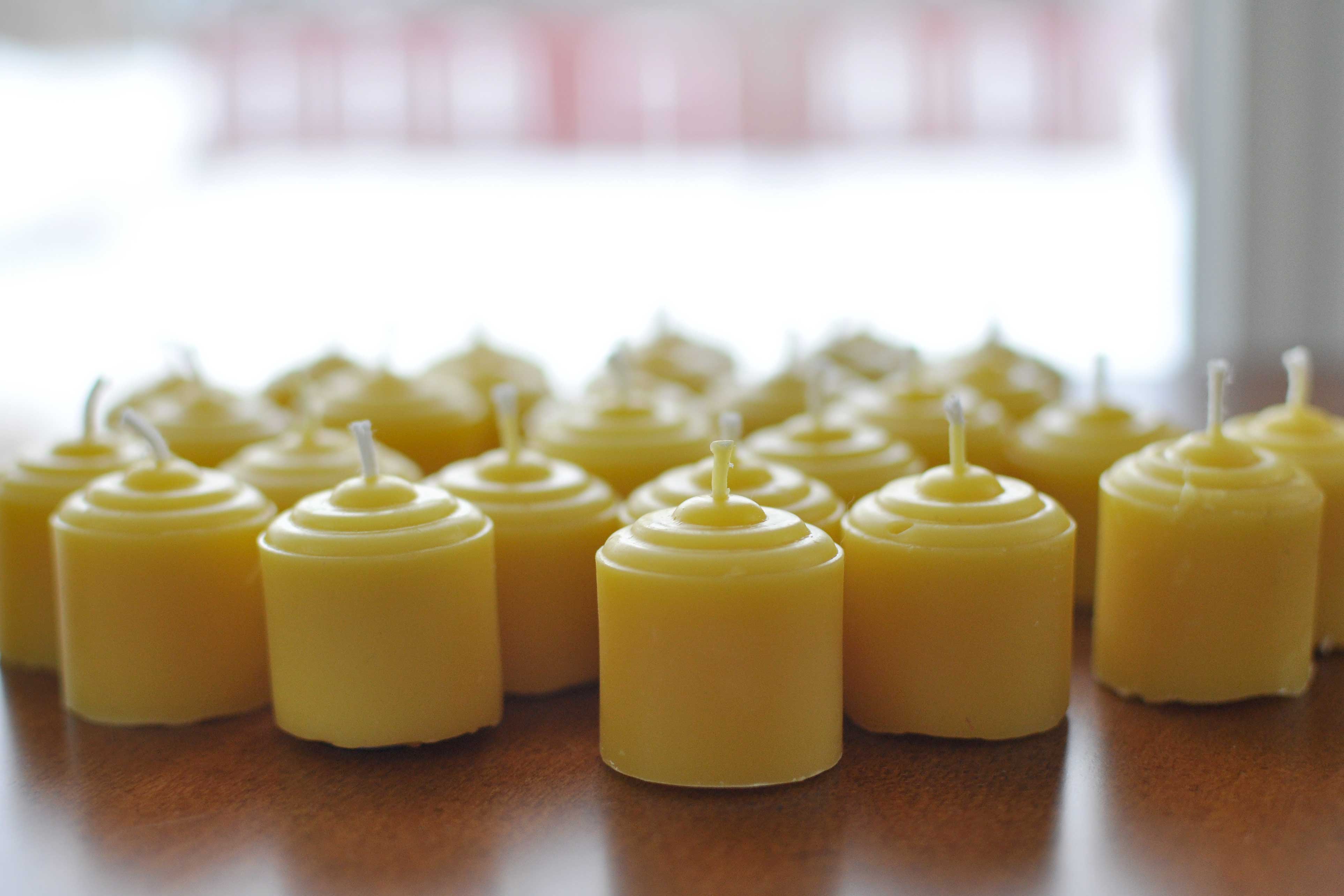
We only had one votive mold so the process of pouring the candles was quite lengthy.  In the end, we ended up with 30 lovely beeswax votive candles.

As with all of our projects, we did research and planning in advance, but had to improvise along the way to try to achieve our desired result.  The candle-making process turned out to be a time-consuming one, partly because we struggled to get the wax clean and also because we only had one mold.  For our next venture in candle-making, we will definitely purchase another mold.  We may try tapers next time.

Based on the amount of time and effort it took to make these 30 votives, I can certainly understand why beeswax candles are costly.    It was a great project for our Christmas break though, and one we all enjoyed.

The sweet smell and slow burn of these will be enjoyed each time we light one in the coming year.
Lynell
9 Comments

Filed under Bees

Blown Away by 2012

Winter finally arrived here in Minnesota last night.  It snowed a few inches before midnight and the wind continued to intensify all evening.  Throughout the night, the wind howled and sometimes rattled our bedroom windows.

We woke up this morning to a very windy and gusty 2012.

With sustained winds of over 30 mph and gusts of up to 50 mph, we are under a wind advisory.

The high winds are not unique to Minnesota, as much of the Midwest is experiencing the whipping wind.  It is forecasted to continue through Monday for much of the country.

Thankfully, the temperatures are not our typical January frigid ones.  Although I usually complain a lot about Minnesota winters, I actually don’t mind finally having some snow on the ground.  I will be just fine however, if our usual cold temperatures never show up.

The good news is that it is already January 1st, and no matter what happens, winter here in Minnesota is going to seem shorter than usual because of the mild fall we have enjoyed.  And because of that, 2012 is already looking good to me!

Happy New Year!

Lynell

Leave a comment

Filed under Daily life

Waiting for Winter

The weather has treated us pretty well here in Minnesota during the month of November and into early December.  No significant snow has fallen in our neck of the woods and while the temperatures have been cold at times, they have been tolerable by Minnesota standards.  With Christmas only a few weeks away, we are now anxiously waiting for winter to arrive.

In preparation for winter, we have the farm all buttoned up and ready for the snow.

The vegetable garden is tilled and ready for spring planting.

We are going to attempt to winter our bees again this year.  The hives have their black cardboard covers on to help absorb some of those rays from the sun.  We have failed the last two years and have hopefully learned a few things along the way.  We are hoping they make it to spring!

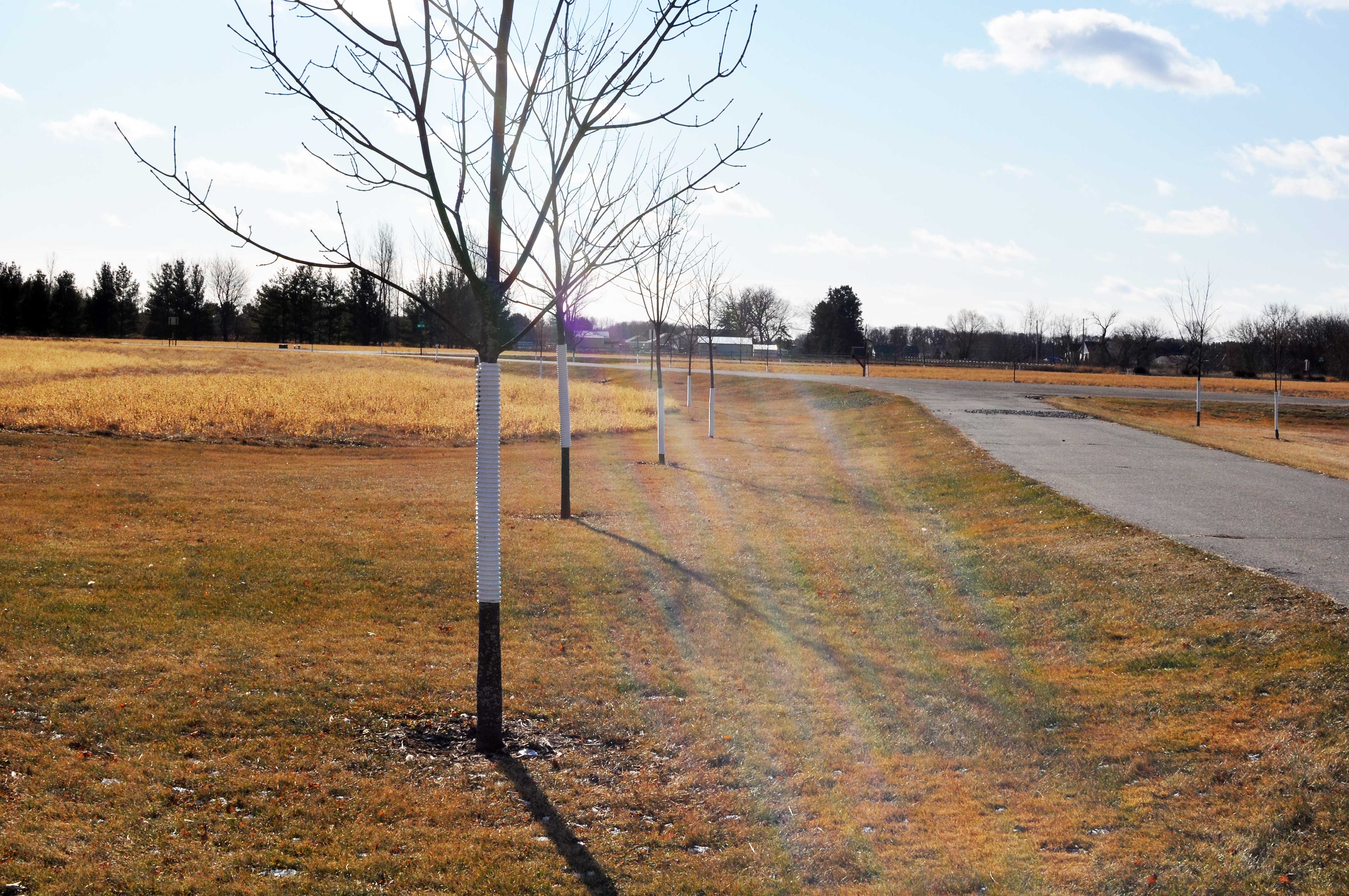
Each fall we put white plastic protectors on the young trees that line our driveway.  Our main reason for doing so is to protect the tender bark from the deer that like to rub their antlers on them in the fall.

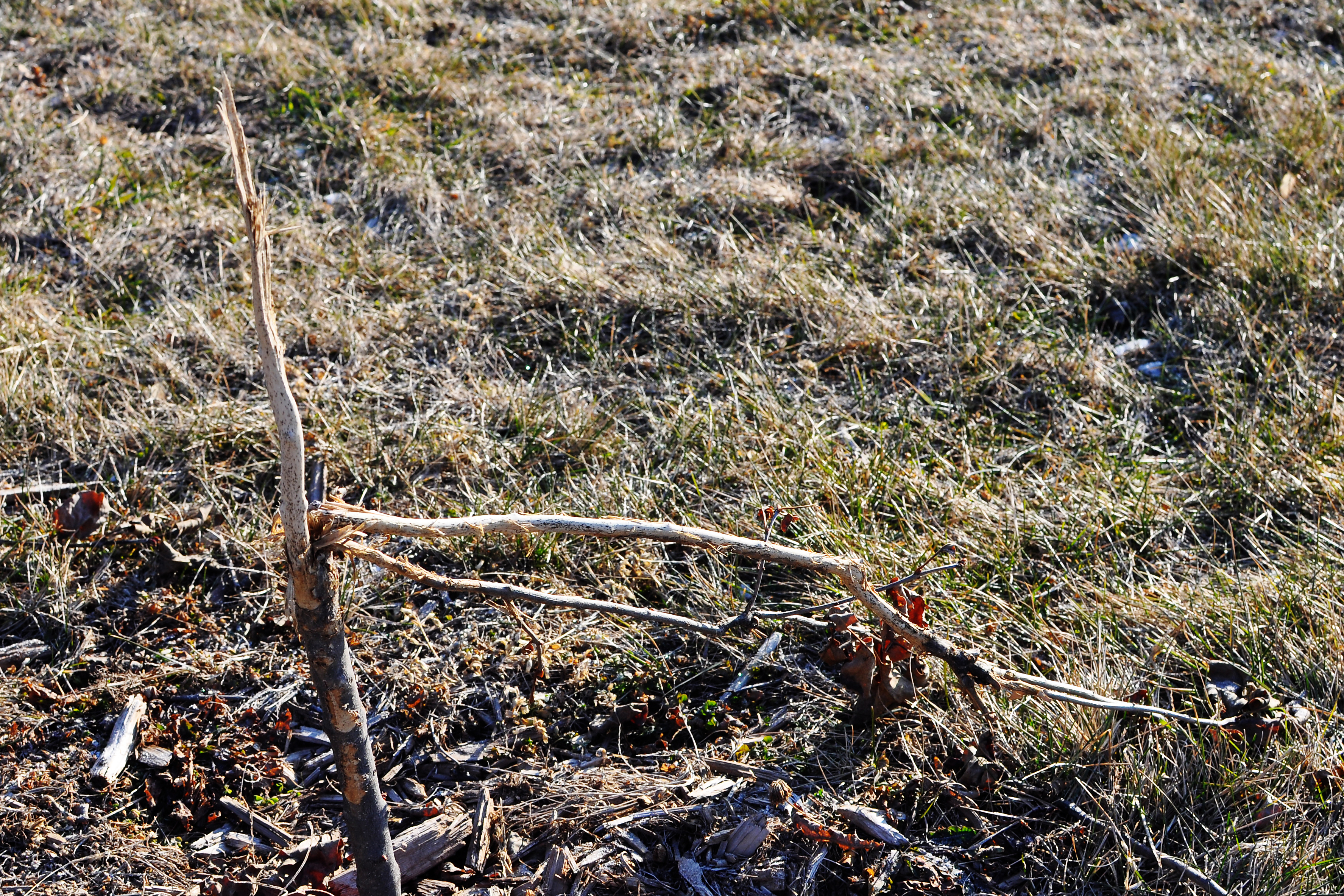
Although we have managed to deter the deer from our trees, this year they targeted my little lilac bushes that I planted two years ago.

The deer systematically went down the row and stripped the bark and in many cases, broke off the lilac.  They spared a few of the plants, but most will need replacing in the spring.

We have talked about putting up a flag pole for several years, but just never get around to doing it.  With our oldest leaving for West Point at the end of June, we decided to finally tackle this project before the ground froze.  Knowing that we would be putting up a flag pole, we picked up a West Point flag on our trip out to visit in August.  We realize that we are not entirely following proper flag etiquette by not having the U.S. flag larger, but we do it anyhow, justifying it to ourselves because our intentions are good.

We located the flag pole so that we can easily look out the kitchen window and  see the flags flapping in the wind.

My perennial gardens have also been trimmed up and put to sleep for winter.

The wood pile behind the house has been replenished and is ready to supply our fireplace all winter long.  There is nothing quite like a roaring wood fire on a subzero day in Minnesota to warm your home and heart.

And with everything ready for winter around here, now all we can do is just wait.  For those of you who need to prepare for winter in your part of the country, I wish you good luck!

Lynell

2 Comments

Filed under Daily life

Foxgloves: A Favorite

The first hard frost has come and gone already here in Minnesota and I am still looking through my garden photos from summer and trying to get caught up.  I wanted to share an update on my perennials that I started by using the winter sowing method.  After starting out in the winter of 2010 with these mini-greenhouses…

The seeds eventually sprouted in the spring and I set them out to keep growing.

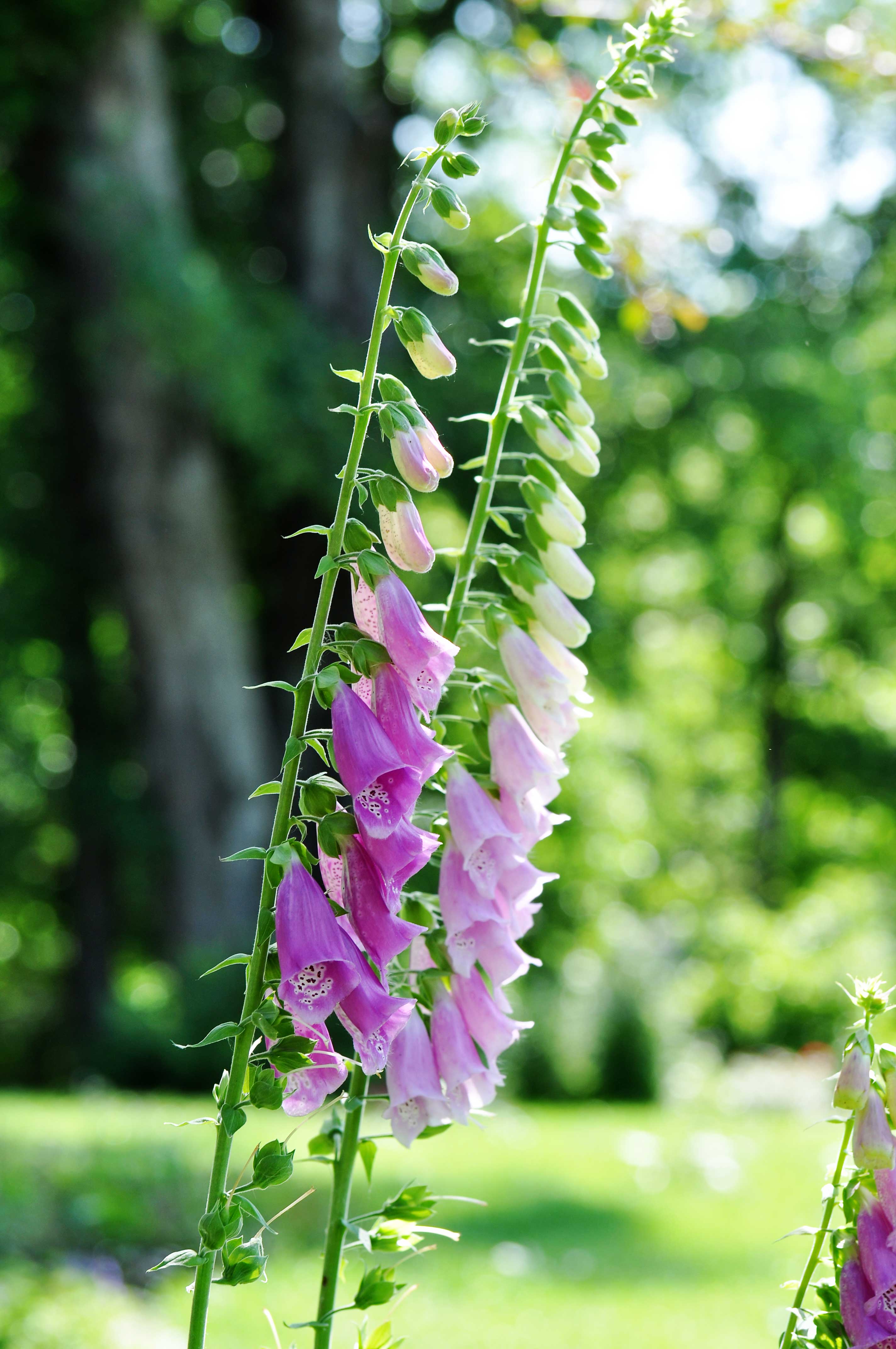
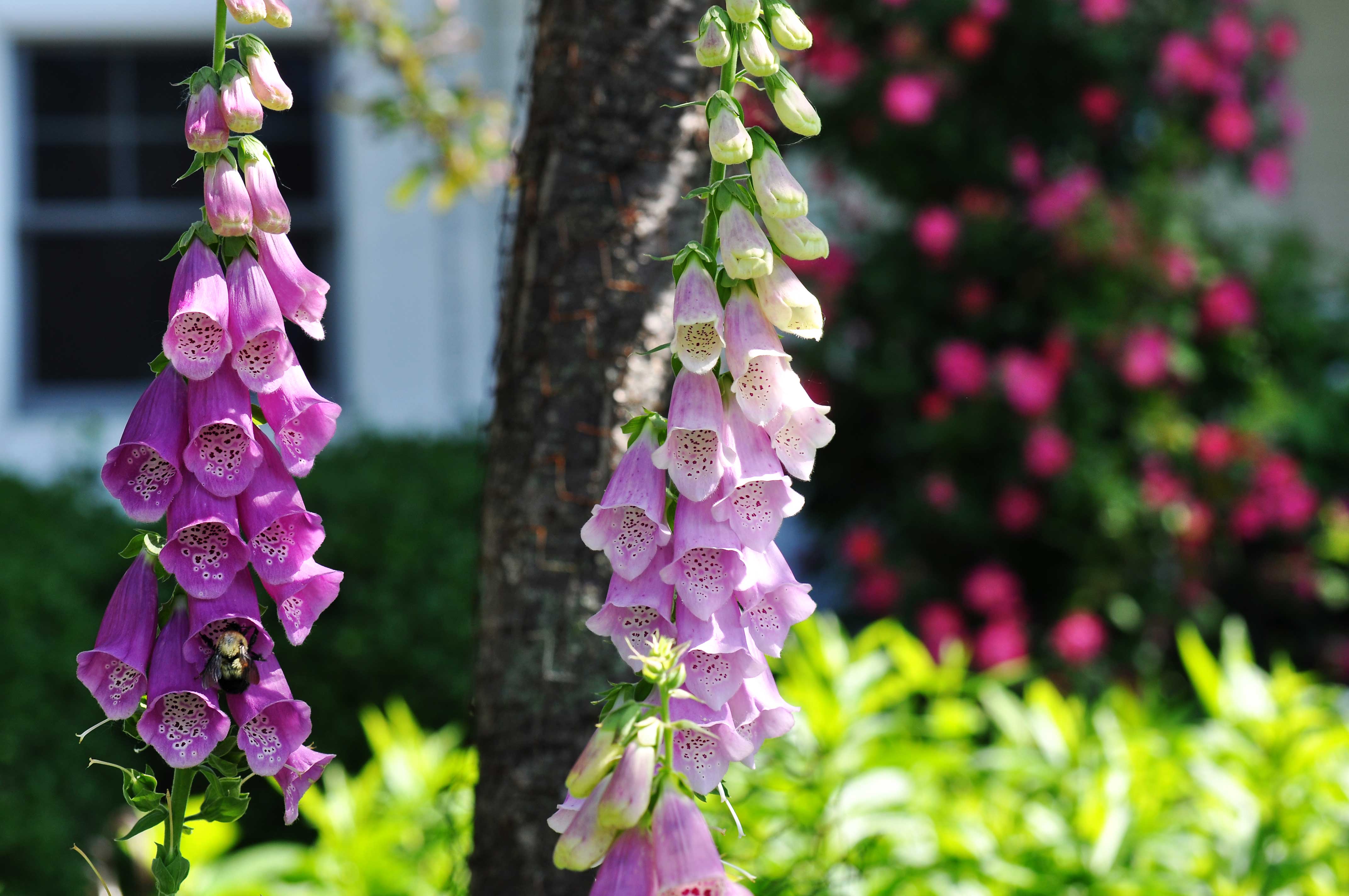
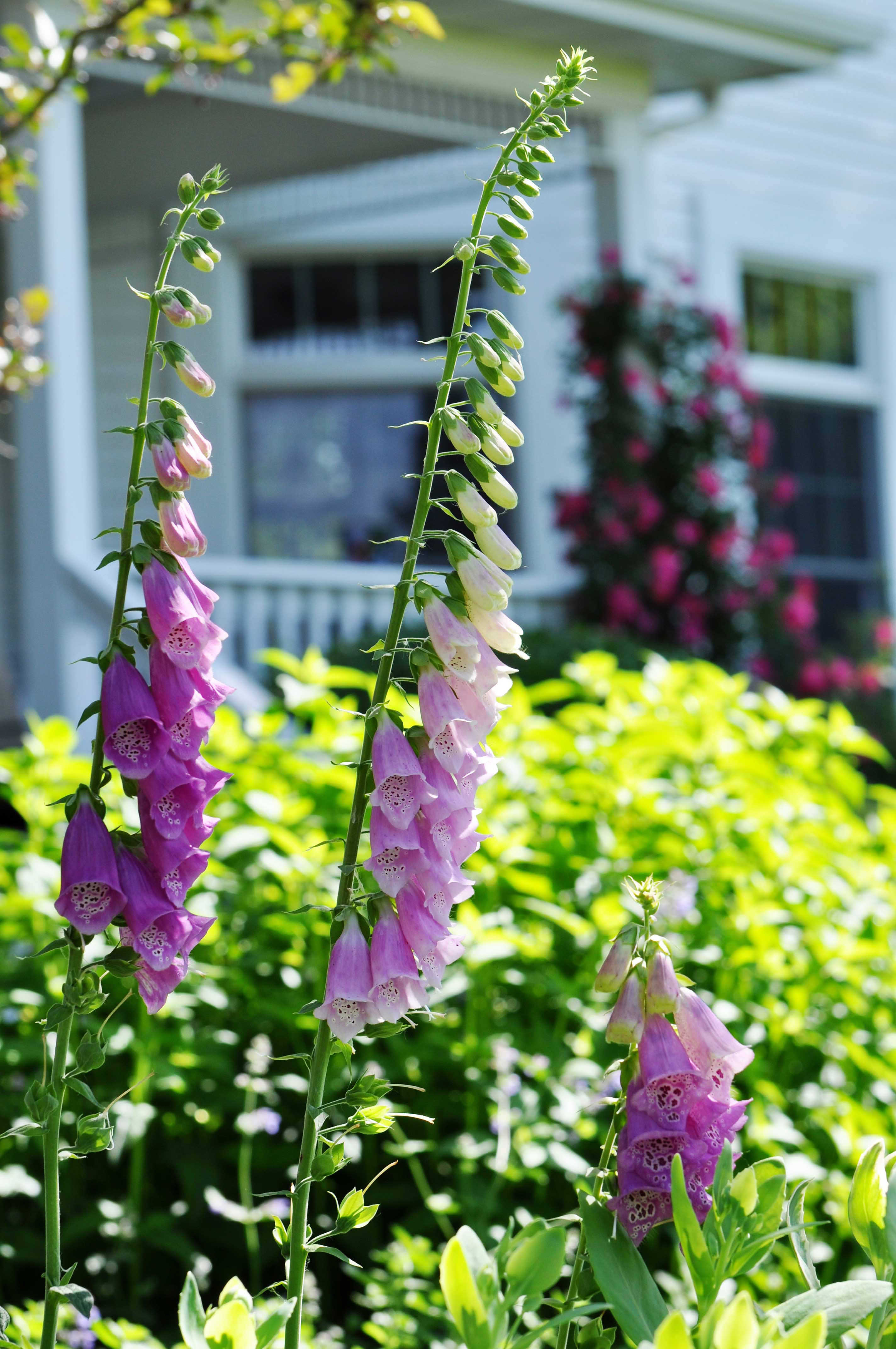
I eventually moved the seedlings into the garden.  One of my favorite flowers are foxgloves (digitalis) and I had tried direct sowing the seeds into my perennial garden a few times with no success.  Using the winter sowing method, the germination of the foxglove seed was excellent.  Last summer, my new foxgloves were thriving and the plants looked like this.

Foxgloves are classified as a biennial and do not typically flower the first year, as was the case with mine.  This summer however, they put on a spectacular show and graced my garden with their beautiful spikes of tubular flowers.

I’m not sure what to expect next summer.  I did not get around to doing any winter sowing this past winter, so I know that I won’t have any foxgloves ready to bloom next year.  Because they often re-seed themselves however, I am hoping that I will have a lot of them sprouting up in the spring and I will be able to enjoy them in 2013.

In the meantime, I have a renewed motivation to make time to do more winter sowing this year.

-Lynell

3 Comments

Filed under Flower, Gardens

Finally! Productivity

September 2nd…Where has the summer gone?  It feels like I haven’t gotten anything done this summer!!

After missing the harvesting window on so much of our garden bounty this summer, we finally managed to be productive today and do some canning.  We set up a summer kitchen out on our back deck for sterilizing and processing jars in a hot water bath.

It worked fabulous because all of that moisture from the boiling water that usually ends up saturating my kitchen stayed outdoors.  We used the two-burner propane stove that Jesse purchased for making maple syrup this spring and it was perfect!

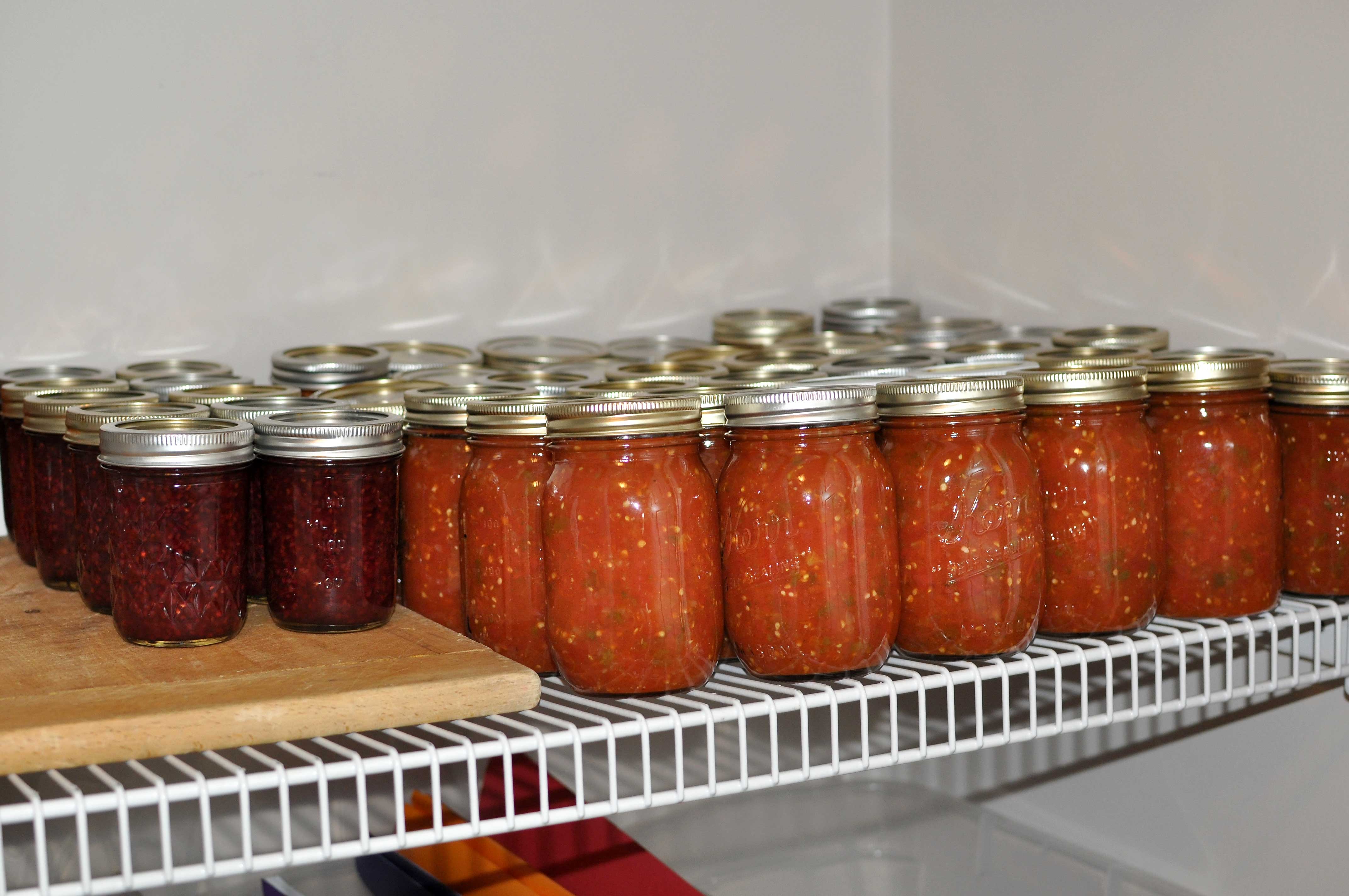
We started out with our tomatoes.  I don’t know about all of you, but our tomato plants suffered from a serious case of blight this year.  We have nonetheless still managed to enjoy a good harvest.  Cheating a bit, we use a package mix that has all the spices and all we have to do is add the freshly chopped tomatoes.  We processed 35 pints of salsa.

After the tomatoes, we started processing our apples.  This turned out to be a lot more work than I had anticipated.  This is really the first year that our tree has produced a decent amount of apples and I’m not sure how I feel about harvesting apples after today.  Peeling, coring, cutting up, boiling until softened, grinding up in the food processor, heating again until boiling….what a mess!!

We processed 7 quarts of applesauce and approximately 8 pints of apple butter.  Based on the amount of work that went into these jars, I sure hope we enjoy them.
So, finally…a day of productivity here on the farm.  We have managed to preserve some of the produce from our garden.  It makes me feel good…giddy…happy…satisfied.

Some time this winter, probably in January, I will be feeling even happier as I pop open a jar of salsa or apple butter for us to enjoy.  It will remind me of summer and of how grateful I am to live here.

-Lynell

8 Comments

Filed under Food, Freezing and Canning

Summer Days

The days of summer are quickly coming to an end.  I don’t feel like I’ve had much of a summer this year with all the craziness, but we have nonetheless managed to enjoy some fresh produce from the garden along the way.  Our usual efforts at preserving some of our summer bounty to enjoy during the winter have however, been seriously lacking this year.  In total, we have managed to preserve about 10 half pints of raspberry jam and a few bags of frozen raspberries.

It is not too late though!  We do have big plans to actually can some salsa and make some applesauce in the next few days.  We’ll see how that goes for us.  🙂

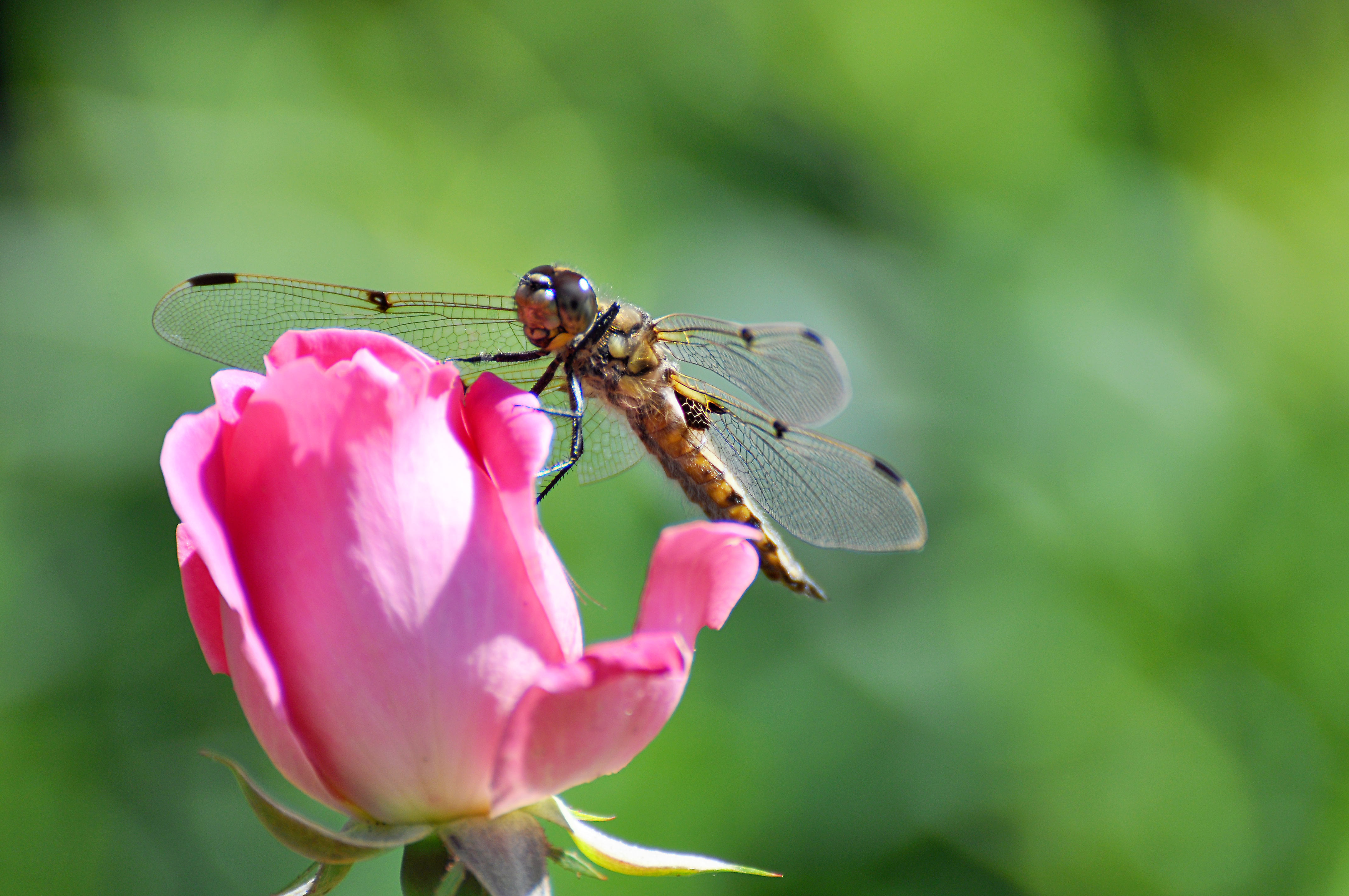
In the meantime, here is a photo I took as I was wandering around my garden one morning in late June.

Lens: Nikkor 70-300 mm f/4.5-5

          • Lens: Nikkor 70-300mm f/4.5 – 5.6
          • Focal Length:  240 mm
          • Aperture: f/5.6
          • Shutter Speed: 1/500
I hope everyone is having a productive summer in the gardens!
-Lynell

Leave a comment

Filed under Daily life, Gardens

Catching Up

I am SO far behind on posting, it’s a little embarrassing.  Although life has been crazy with our oldest son’s high school graduation and departure to West Point on June 26th, I have still managed to get out and take pictures around the farm.  Having the time to put them together in a post however, has been another story.

Instead of authoring blog posts, I have spent most of my free time searching for photos of our son on flickr and facebook.  West Point does a great job of photographing the new cadets as they are going through their summer basic training, know fondly as “Beast Barracks.”  Every once in a while you can catch a glimpse of your new cadet on one of these sites and it makes the lack of communication just a little easier to tolerate.  He will be able to contact us by phone and email once again when the academic year starts in late August.

But back to life on our little farm…

Spring came and went a long time ago, but here I am posting just a few of my spring pictures in the middle of July.  Admittedly, this is lame, but here I go anyhow.

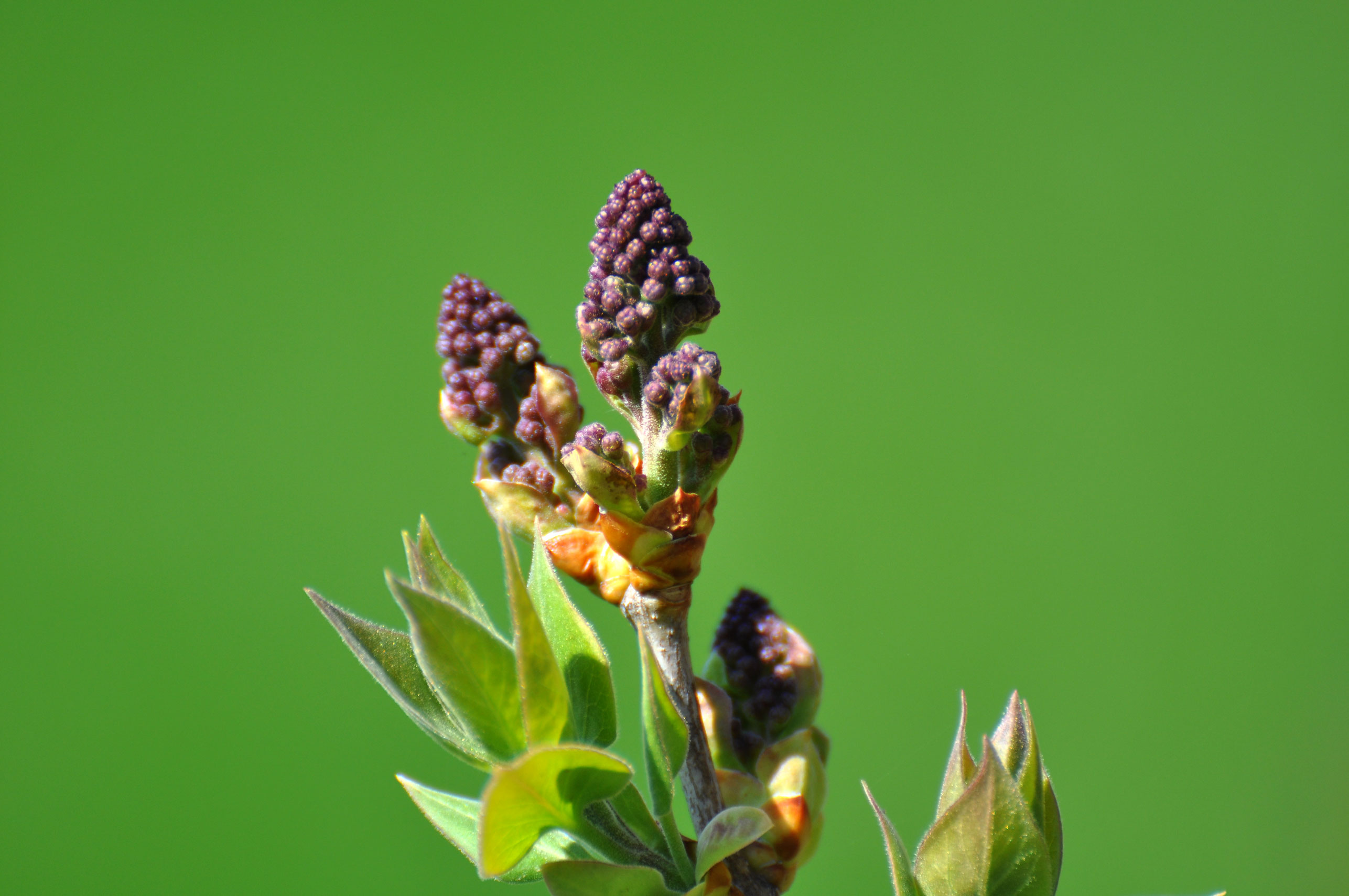
I had some fun experimenting with my telephoto lens this spring.  I tried it out on some lilac buds and thought the results were interesting.

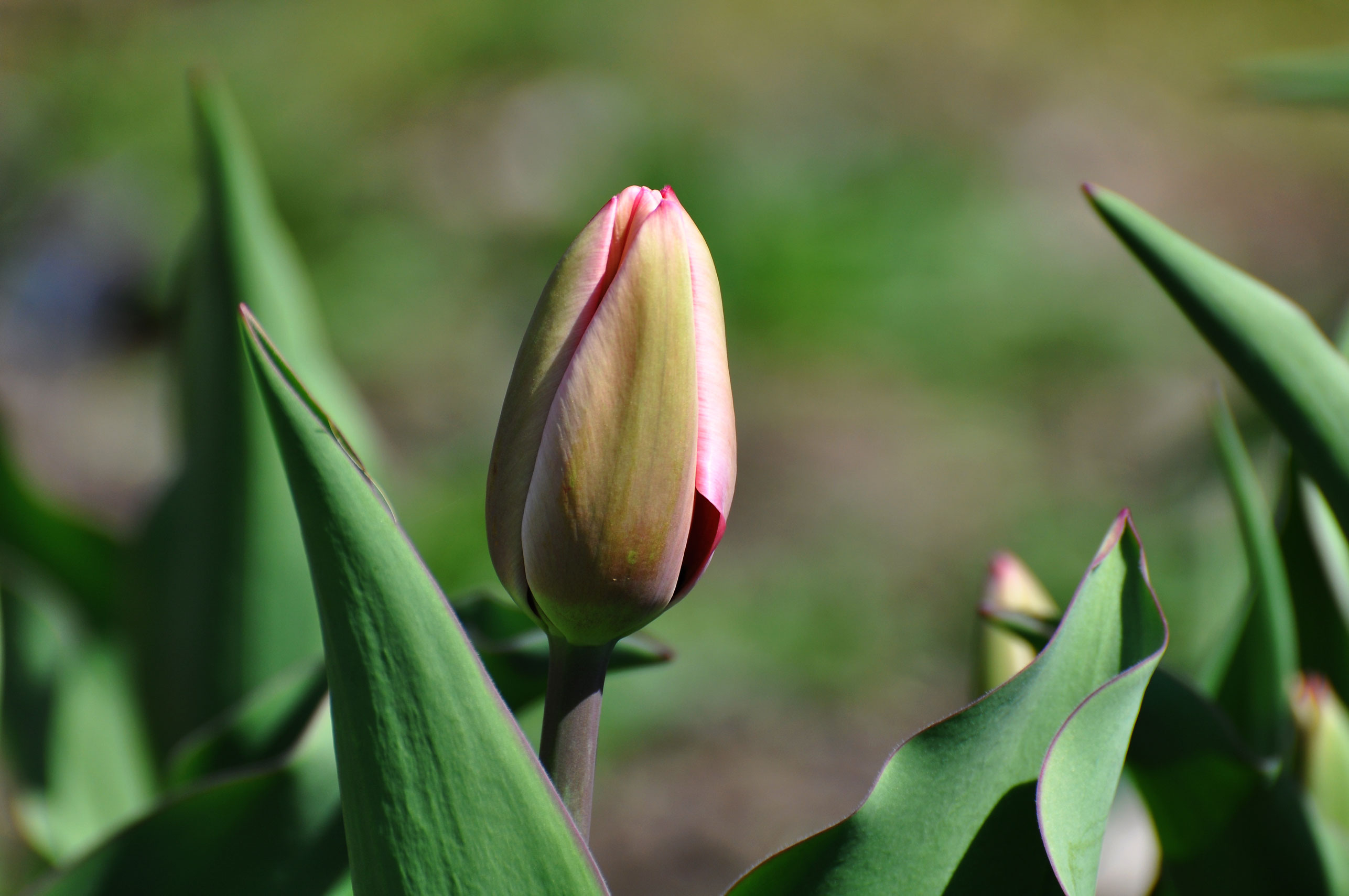
The tulips I planted last fall in my new perennial garden were as beautiful as I had hoped.  Tulips are such a welcome sight in the dreariness of spring.  I hope to plant some more this fall.

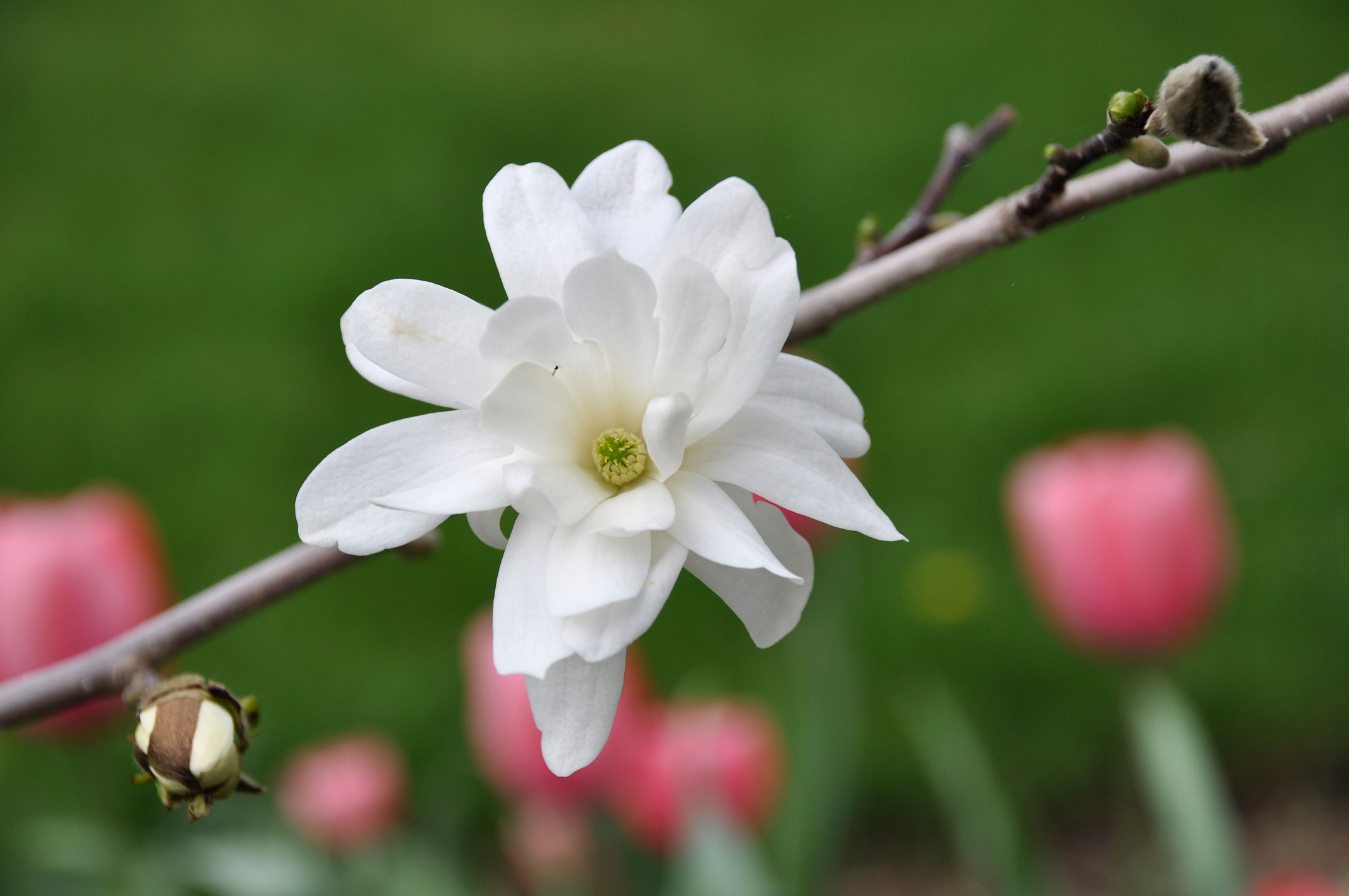
Last year I purchased a Star Magnolia tree and planted it in my new perennial garden.  It was a pretty small tree and I didn’t know what to expect this spring.  I was pleasantly surprised when 4 large white blossoms emerged.  In another 10 years this should be an impressive sight in the spring!  🙂

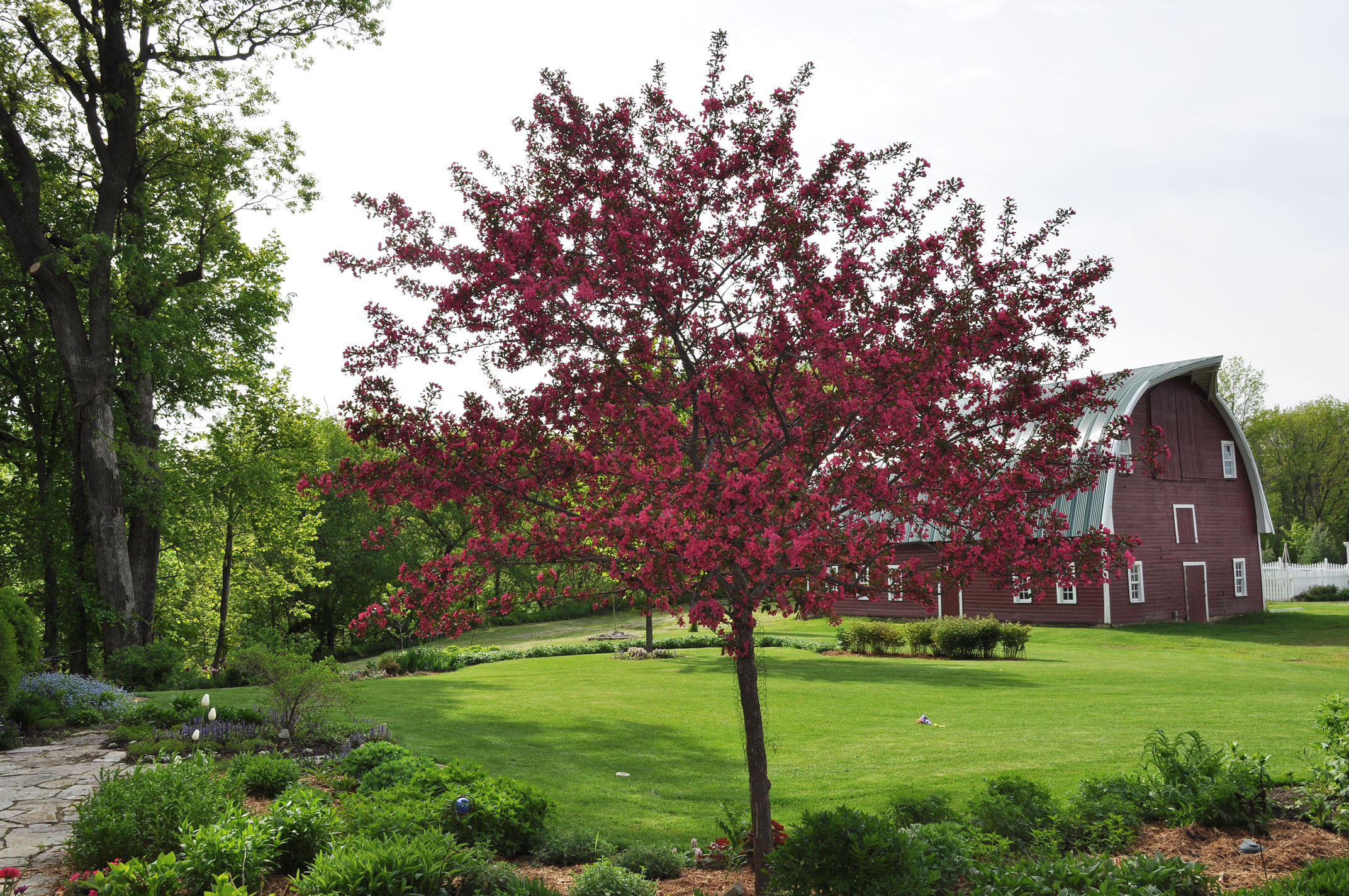
And of course, every spring we enjoy this Prairie Fire crabapple tree outside our kitchen window.  It is always loaded with honeybees (click here for pictures) and the intense color is splendid!

So, there’s a little glimpse of spring here on the farm.  Better late, than never!!

Lynell

3 Comments

Filed under Flower, Gardens